.jpg)
Lakes are some of the most peaceful places to watch wildlife in the UK. Still water reflects the sky, reeds whisper in the breeze, and every ripple hints at something moving just beneath the surface. Whether you visit a large reservoir, a quiet village lake, or a hidden woodland pool, these freshwater habitats are full of life.
You do not need specialist knowledge to enjoy lake wildlife. With a little patience and a few simple tips, lakes become some of the easiest places for beginners to spot birds, mammals, insects, and amphibians. This guide introduces the species you are most likely to see and how to watch them gently.
Lakes support a rich mix of species because they offer:
From the surface to the shallows and the surrounding banks, every part of a lake has its own community of animals.
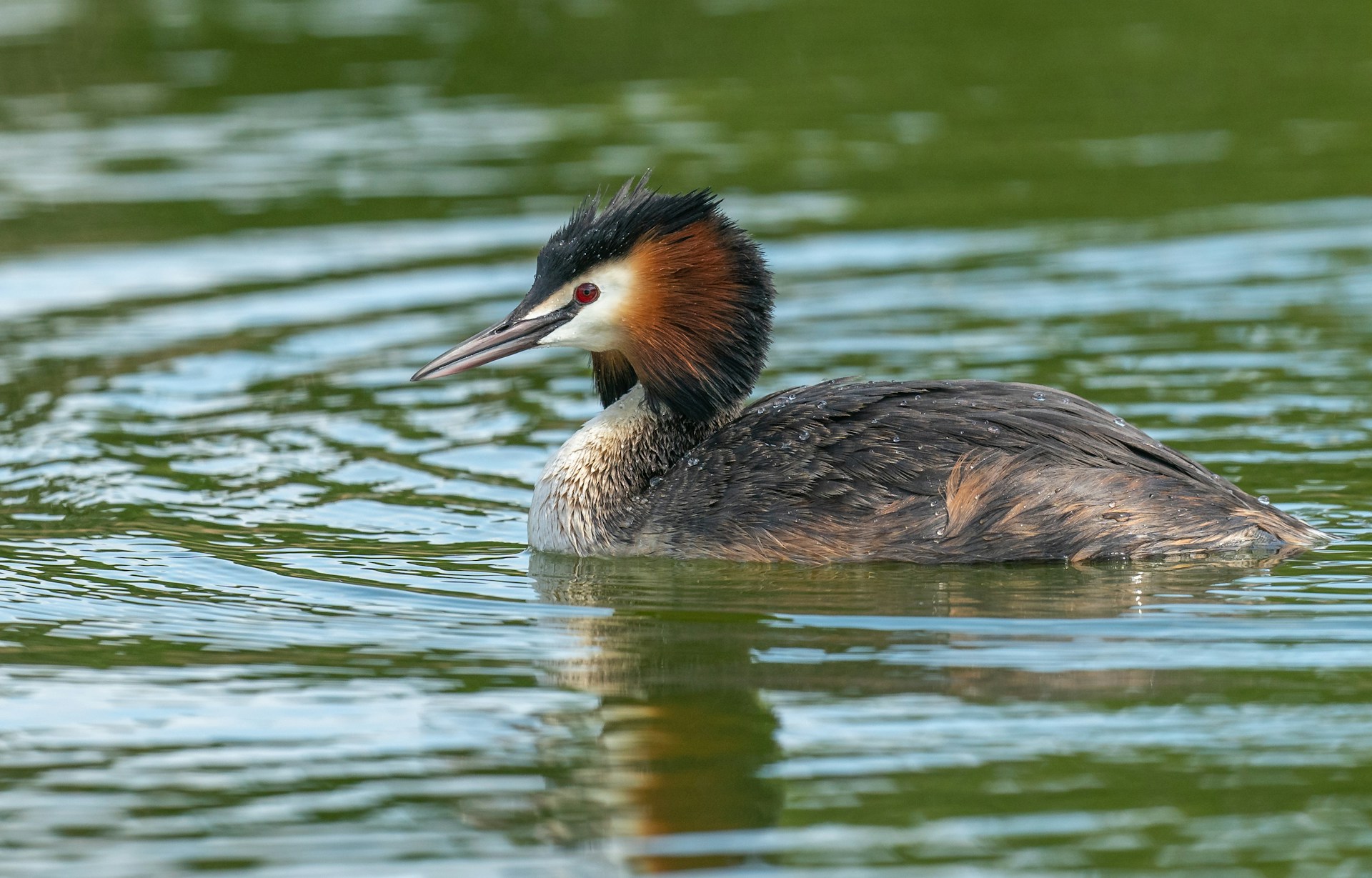
Lakes are some of the best places to watch birds, especially in winter and early spring.
Mallard
The classic duck. Look for the male’s green head and the female’s mottled brown plumage.
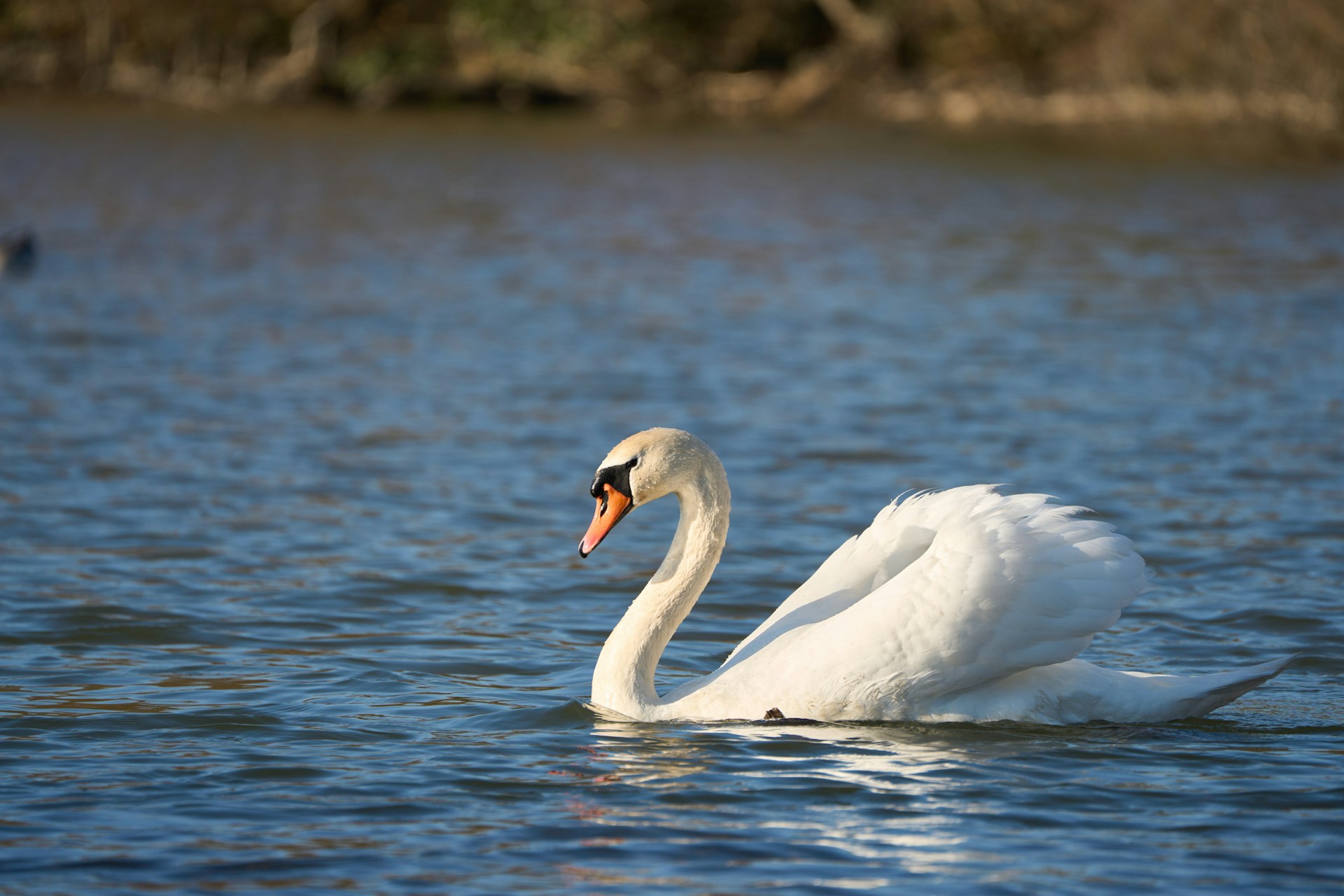
Mute swan
Large, elegant, and often gliding in pairs. Their curved neck and orange bill are unmistakable.
Coot
Black body, white face shield, and a surprisingly loud personality. Often seen chasing other birds.
Moorhen
Smaller than a coot with a red and yellow bill. Look for them skulking along the edges.
Great crested grebe
A beautiful diving bird with a long neck. Watch for their smooth dives and elegant courtship displays.
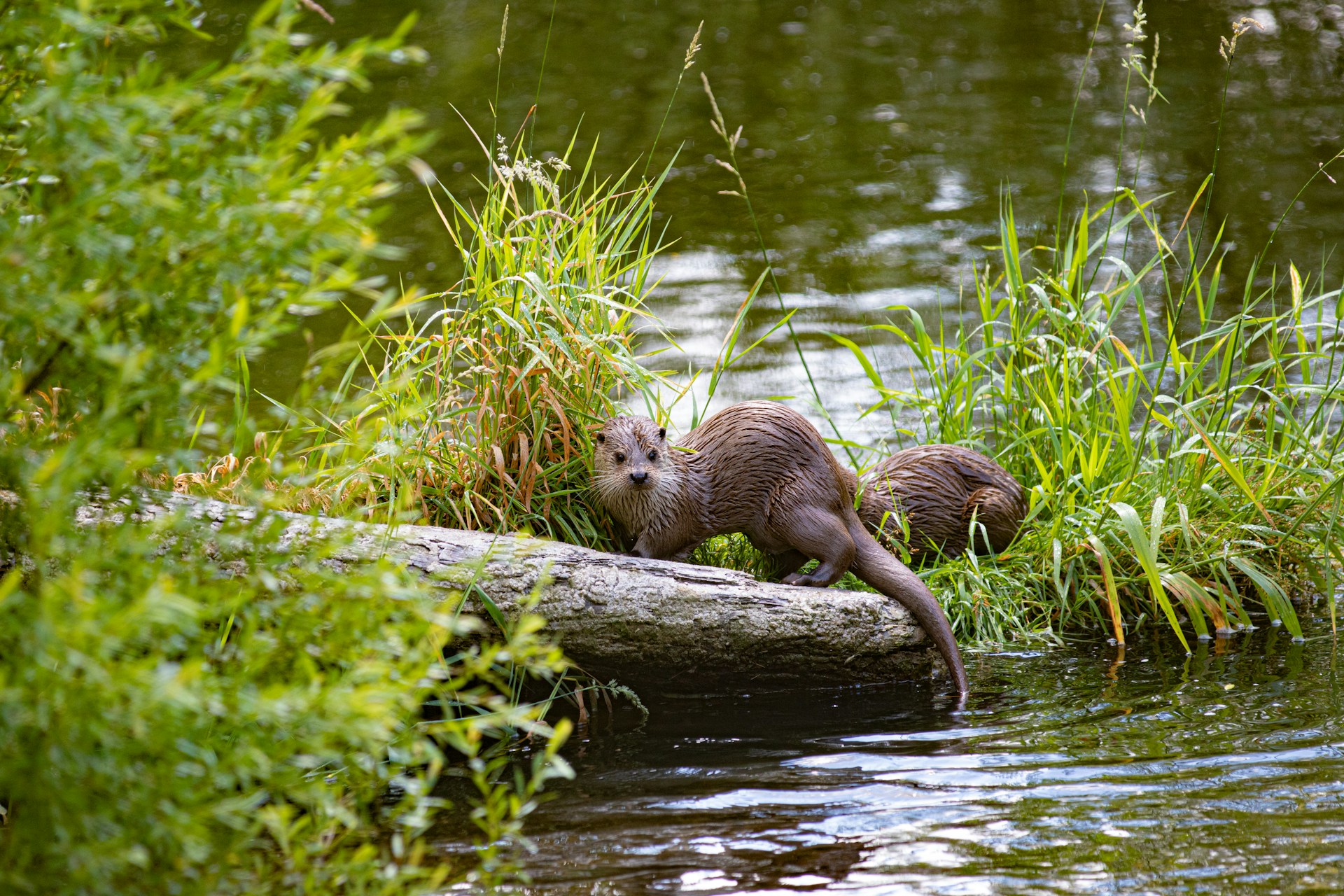
Lakes attract mammals that come to drink, feed, or hunt.
Otter
Shy but increasingly common. Look for ripples, bubbles, or a sleek head breaking the surface.
Water vole
Often seen nibbling vegetation along the banks. Listen for soft plops as they slip into the water.
Bats
At dusk, bats skim the surface catching insects. Their flight is fast and erratic.
Deer
Roe and muntjac deer sometimes visit lakes at dawn or dusk to drink.
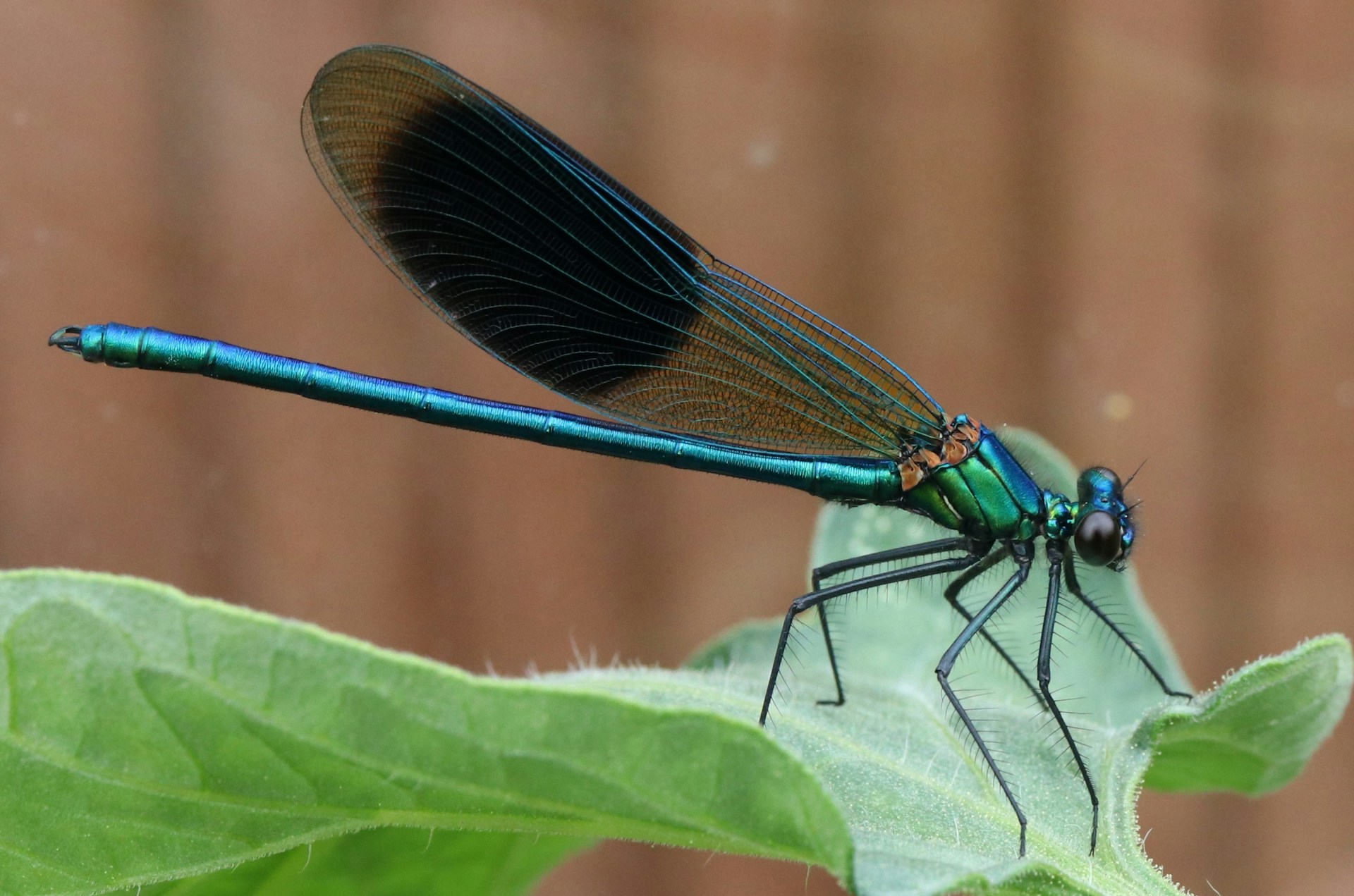
Sunny days bring lakes to life with insects.
Dragonflies
Large, colourful, and fast flying. Look for them patrolling the edges.
Damselflies
More delicate than dragonflies and often seen resting on reeds.
Water boatmen
Small insects that row themselves across the surface.
Pond skaters
Glide across the water using surface tension.

Lakes and ponds are essential breeding sites for amphibians.
Frogs
Often heard before they are seen. Listen for croaks in spring.
Toads
Move more slowly and prefer deeper water.
Newts
Smooth newts and great crested newts can be seen in clear shallows during breeding season.
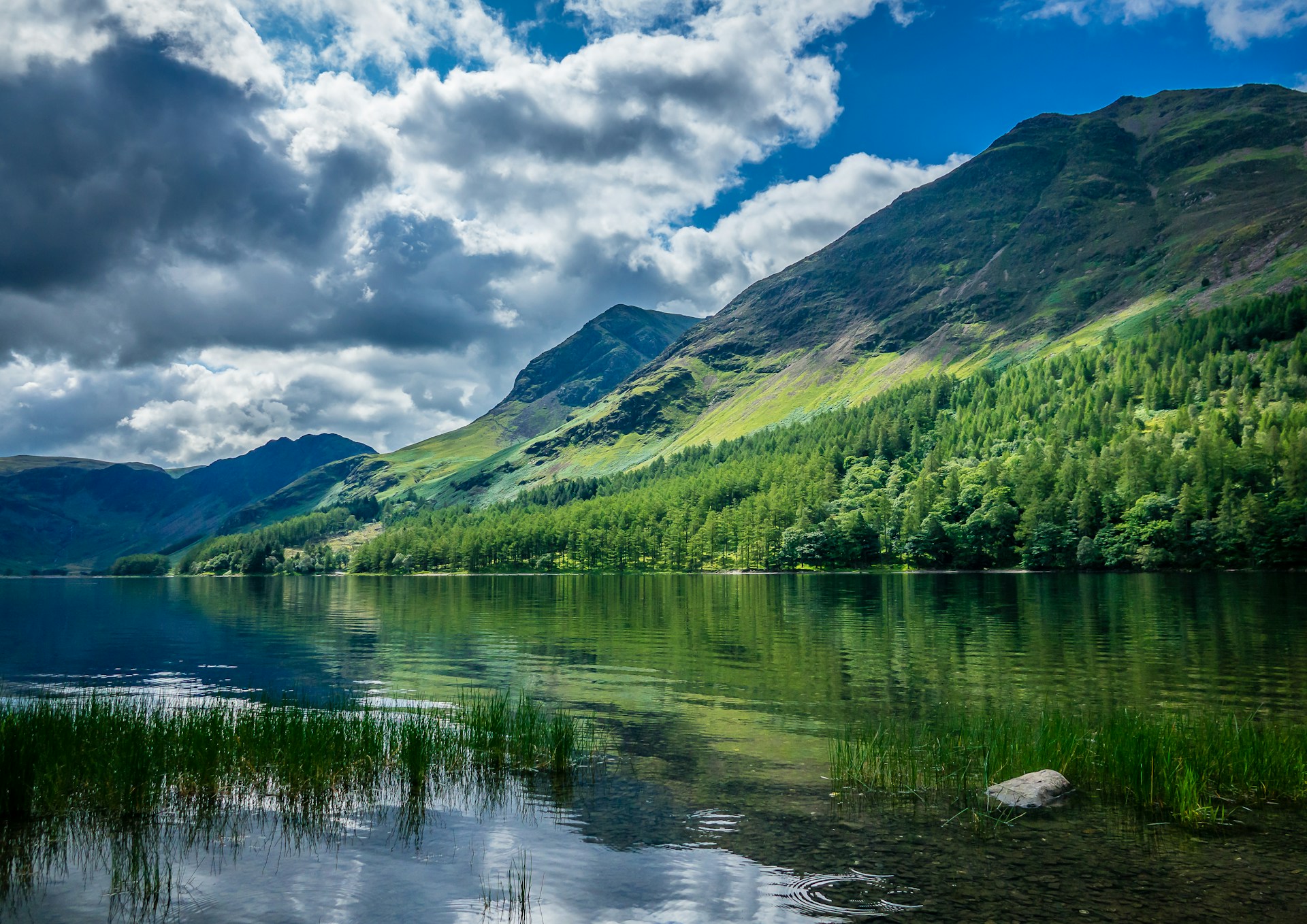
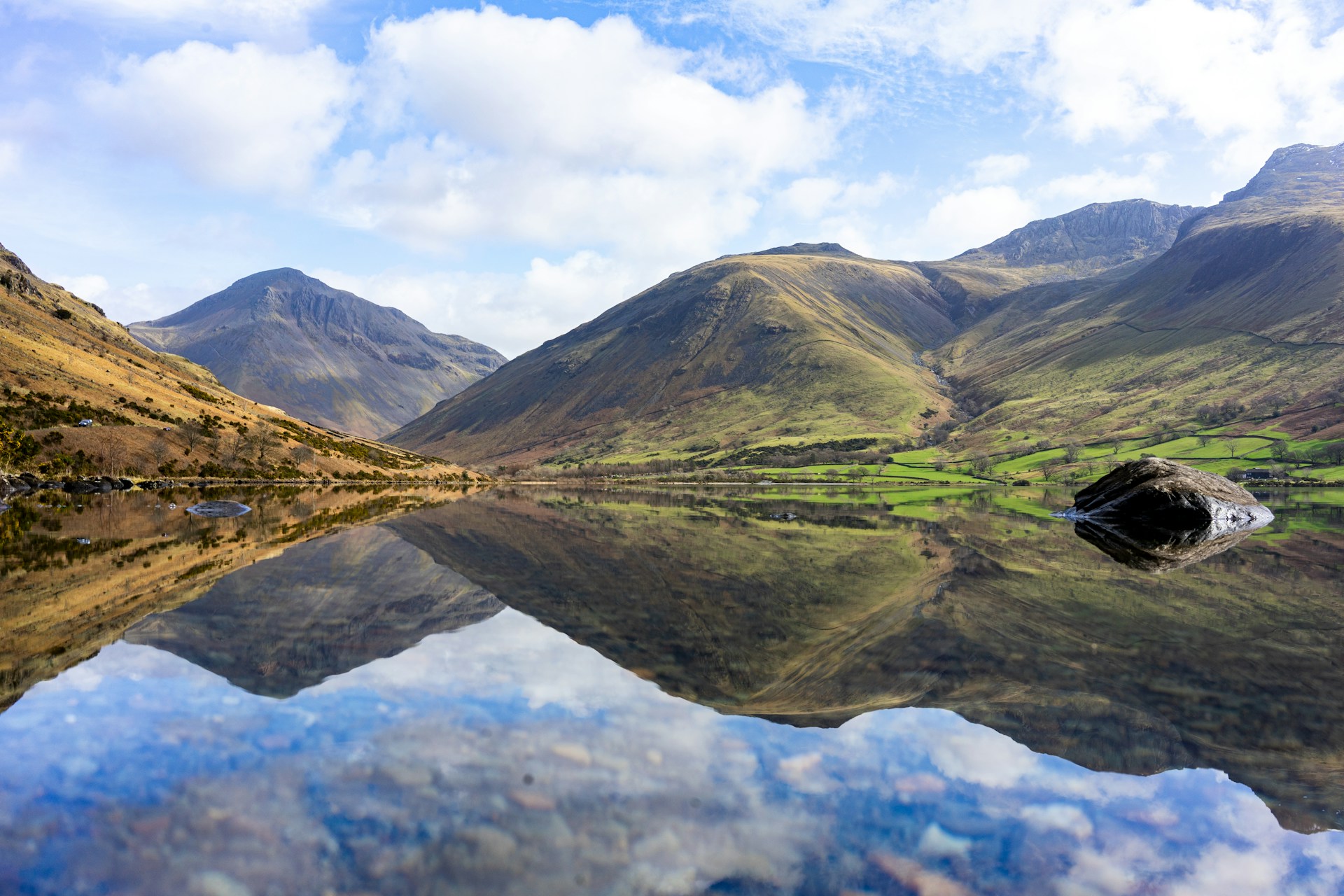
Even small local lakes can be full of life, especially in spring and summer.
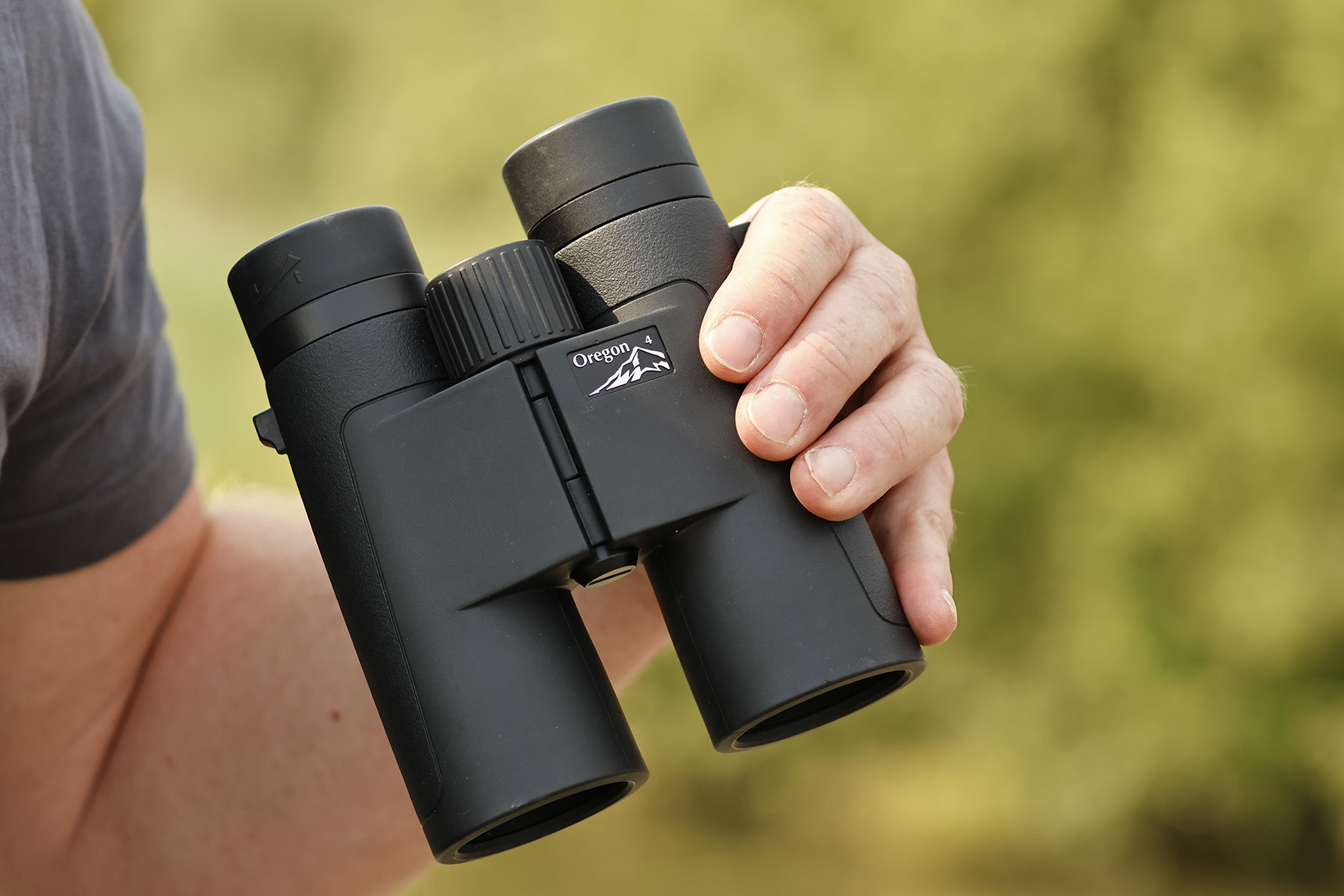
See our Beginner Binoculars Guide for simple advice on choosing your first pair, including what magnification means, how much to spend, and which models are genuinely beginner‑friendly.
See our Field Guides Gear Guide for simple advice on choosing beginner friendly wildlife books, including general wildlife guides, bird guides and pocket guides.
These items can also be really helpful for beginners:

Find a quiet spot near the water and note:
“What is the first movement I notice on the water, and what might have caused it?”
Lakes are full of subtle clues. Journaling helps you slow down and notice more.
If you would like to begin a simple nature journal, our beginner’s guide walks you through how to start: How to Start a Wildlife Journal.
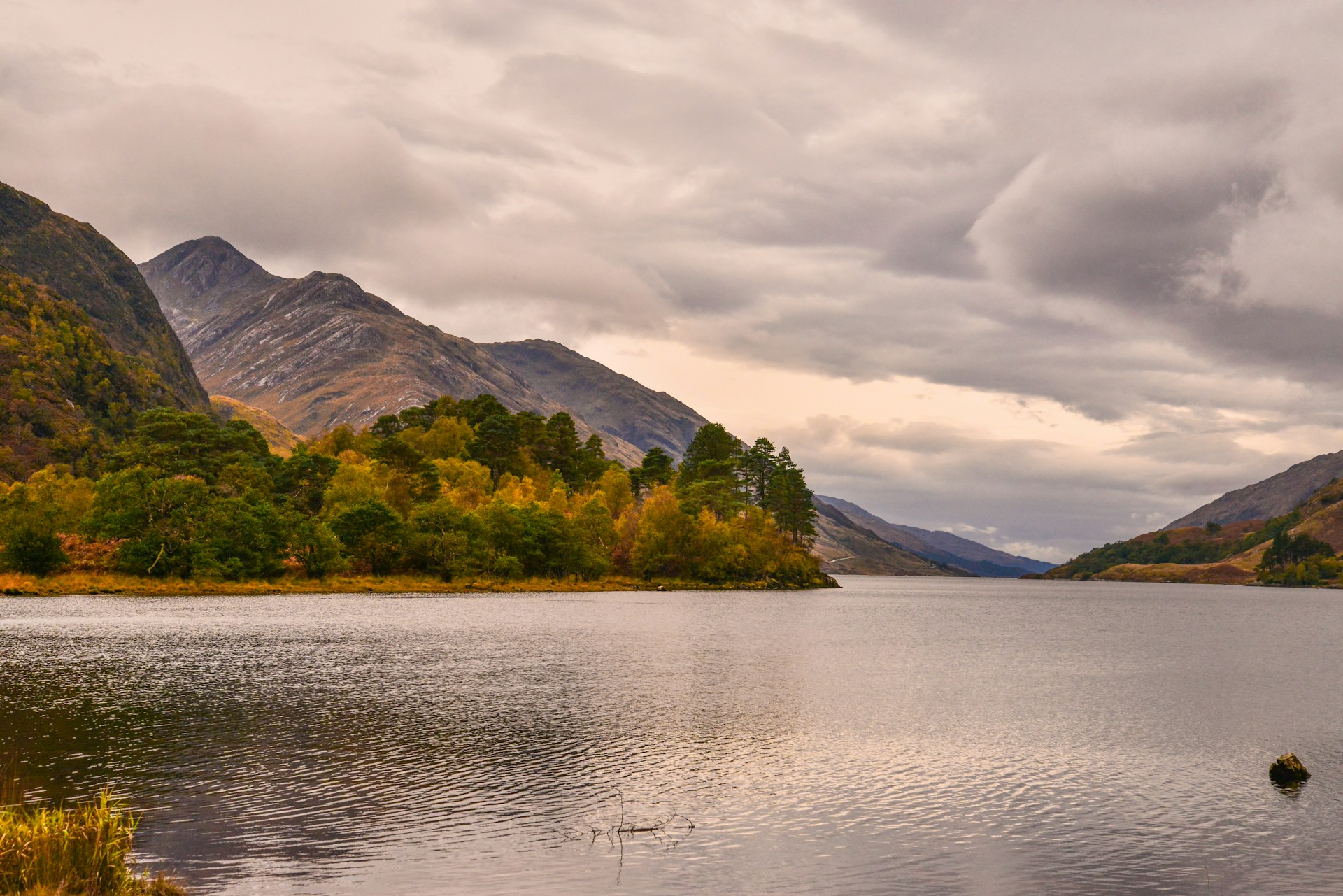
Lakes are sensitive habitats. A few gentle principles help protect them:
This calm, hands off approach is at the heart of NatureGuide.
Lakes are peaceful places where wildlife feels close and easy to observe. Whether you watch a grebe diving, a dragonfly hovering, or an otter slipping through the water, every visit offers something new. By slowing down, looking closely, and exploring gently, you will discover just how much life thrives around the still waters of the UK.