
Few places in Britain feel as timeless as a quiet woodland. Step beneath the canopy and the world softens: birdsong replaces traffic, dappled light flickers across mossy trunks, and every rustle hints at a creature going about its day. Woodlands are some of the richest habitats in the UK, home to birds, mammals, insects, and plants that thrive in the shelter of trees.
You don’t need specialist knowledge to enjoy them. With a little awareness and a slower pace, woodlands reveal far more than you might expect. This beginner’s guide introduces the wildlife you’re most likely to encounter, how to spot it, and how to explore these habitats gently.
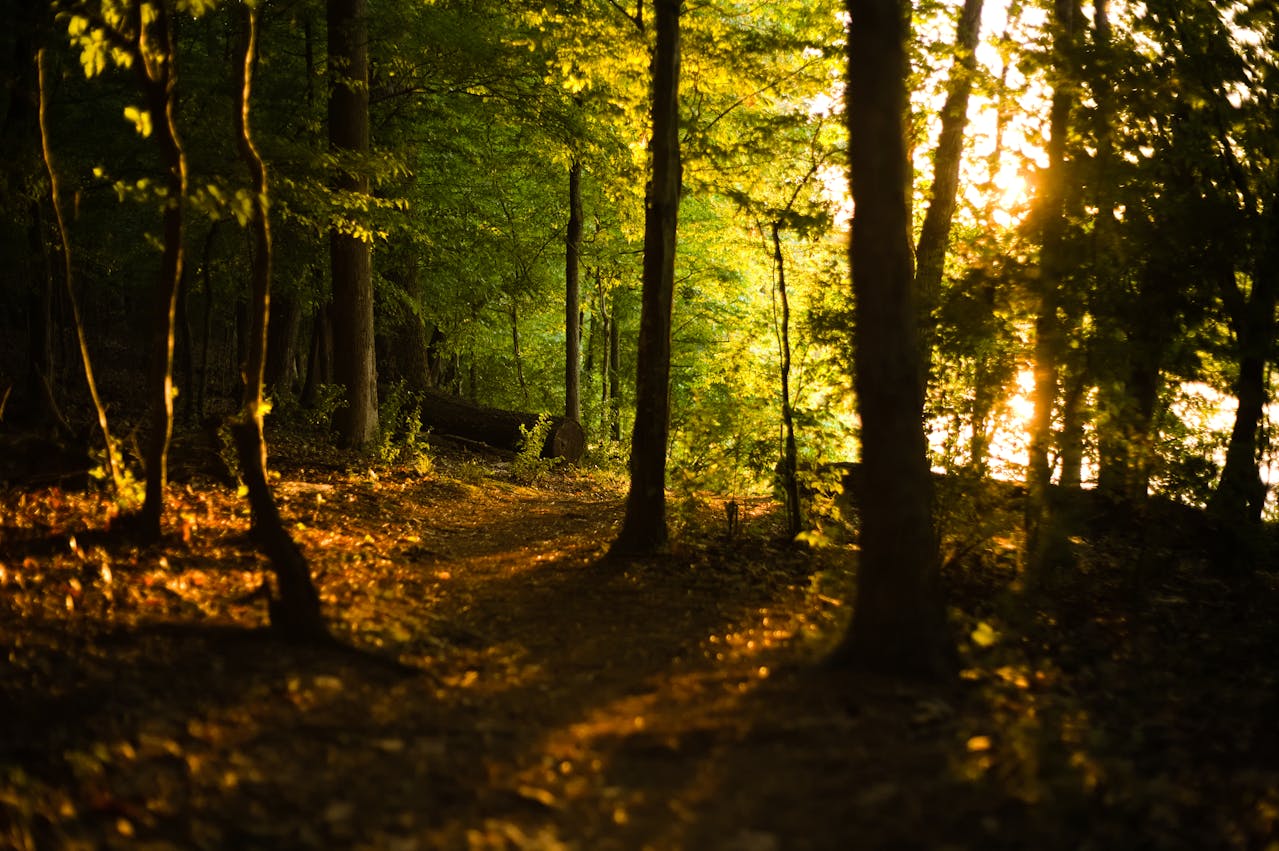
British woodlands may seem peaceful, but they are busy ecosystems where every layer, from the leaf litter to the canopy, supports life.
Today, woodlands:
Whether ancient oak woods or young plantations, each woodland has its own character and wildlife community.
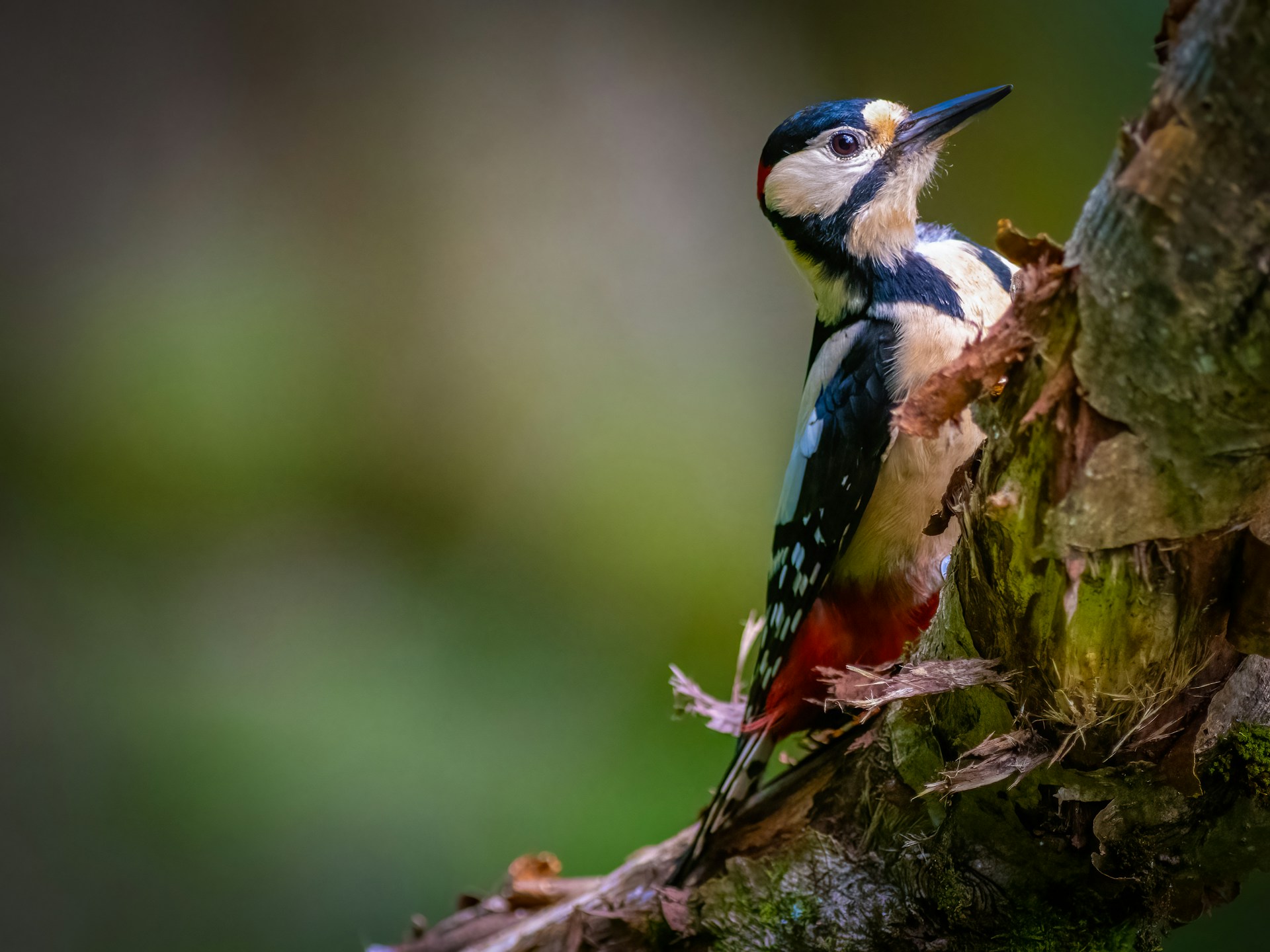
Woodlands are alive with birdsong, especially in spring and early summer.
Great tit and blue tit
Small, colourful, and endlessly active. Look for them flitting between branches.
Nuthatch
Walks down tree trunks head first, a unique behaviour in the UK.
Treecreeper
Does the opposite, spirals up trunks, using its curved bill to probe bark.
Great spotted woodpecker
Listen for drumming in early spring or watch for their bounding flight.
Tawny owl
Often heard rather than seen. Their classic “twit twoo” call echoes through mature woods.
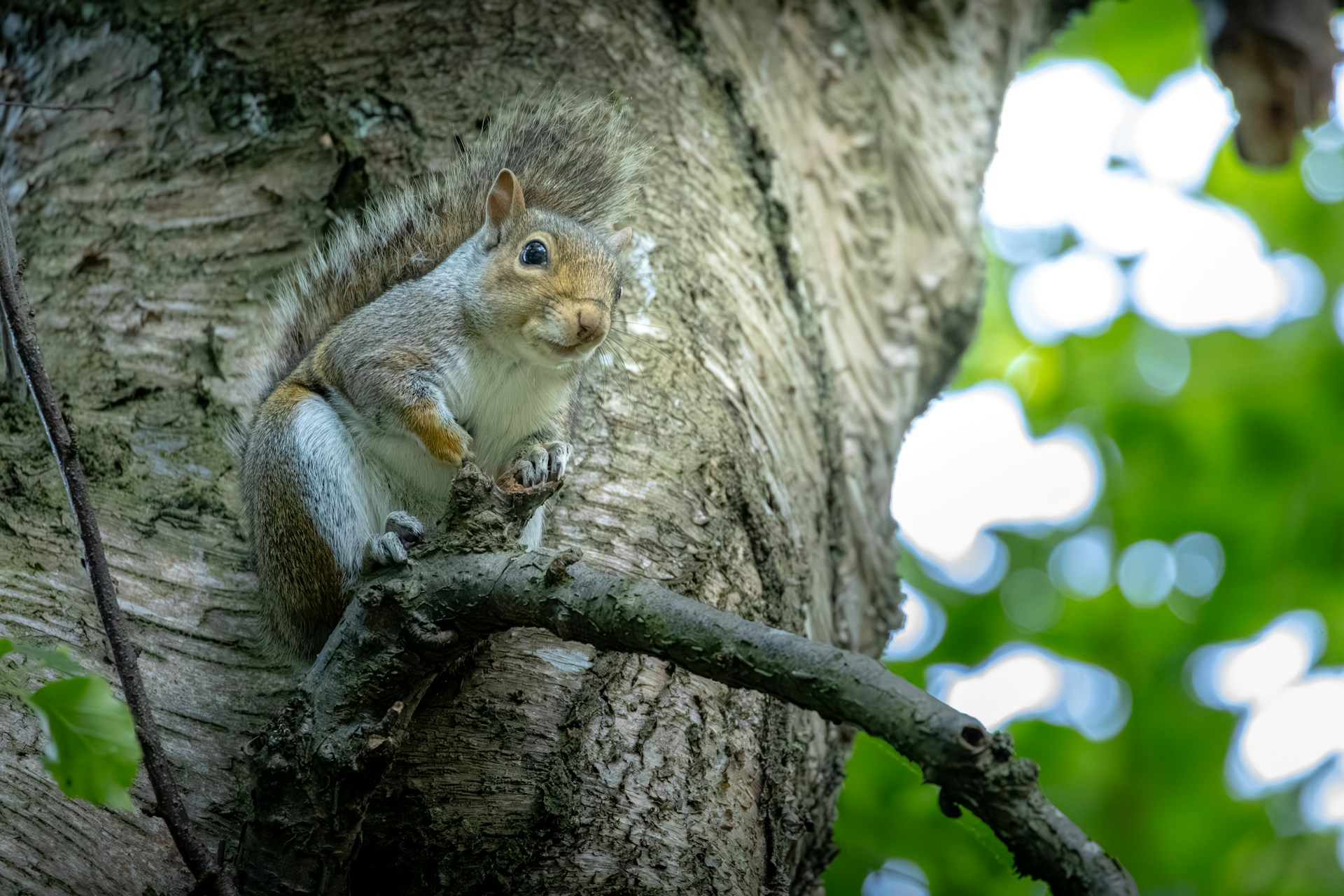
Woodlands offer shelter, food, and nesting sites for many mammals.
Roe deer
Graceful and often solitary. Look for their neat hoofprints on soft paths.
Muntjac deer
Small, secretive, and surprisingly vocal. Their bark can sound like a dog.
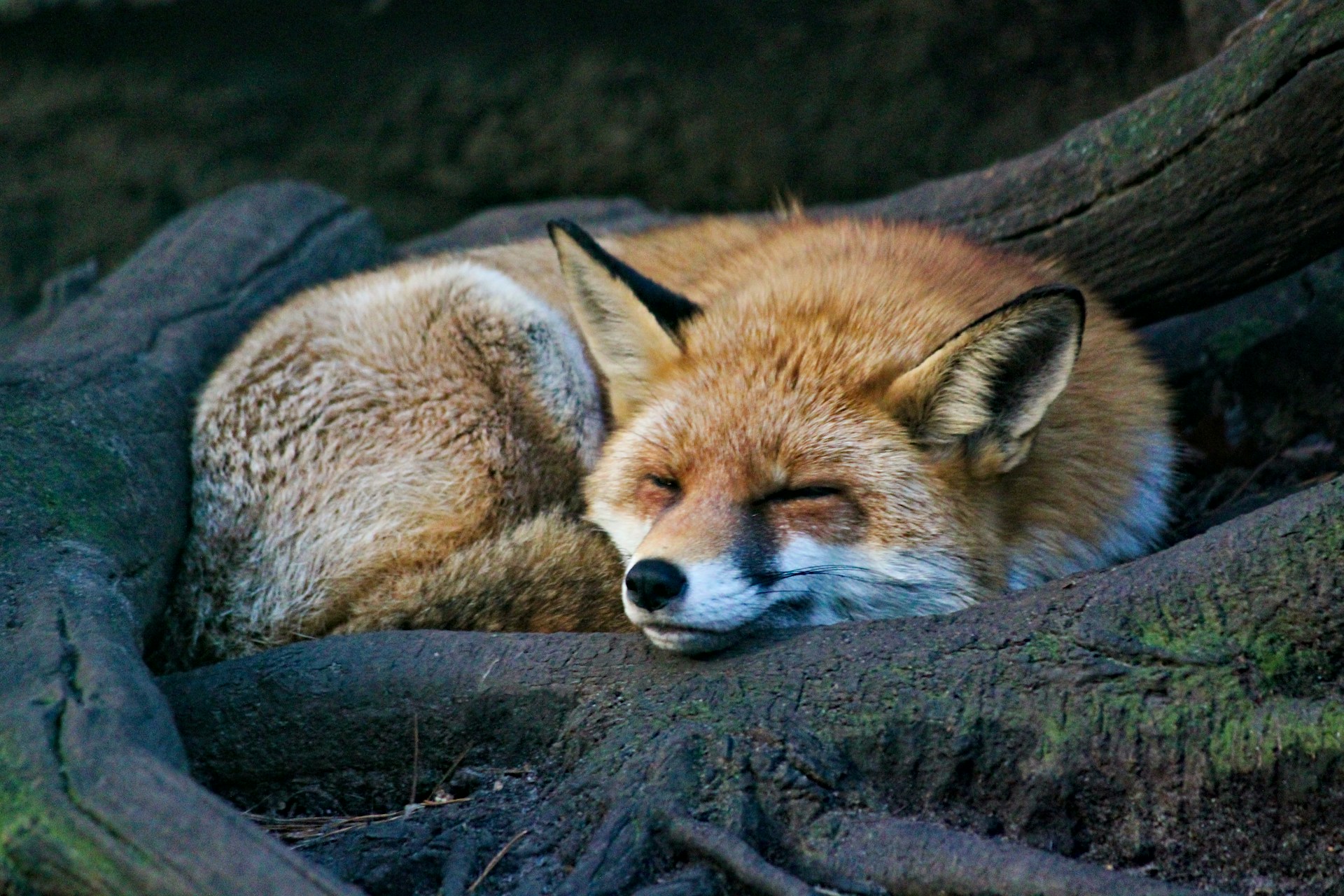
Foxes
Use woodland edges as hunting routes, especially at dawn and dusk.
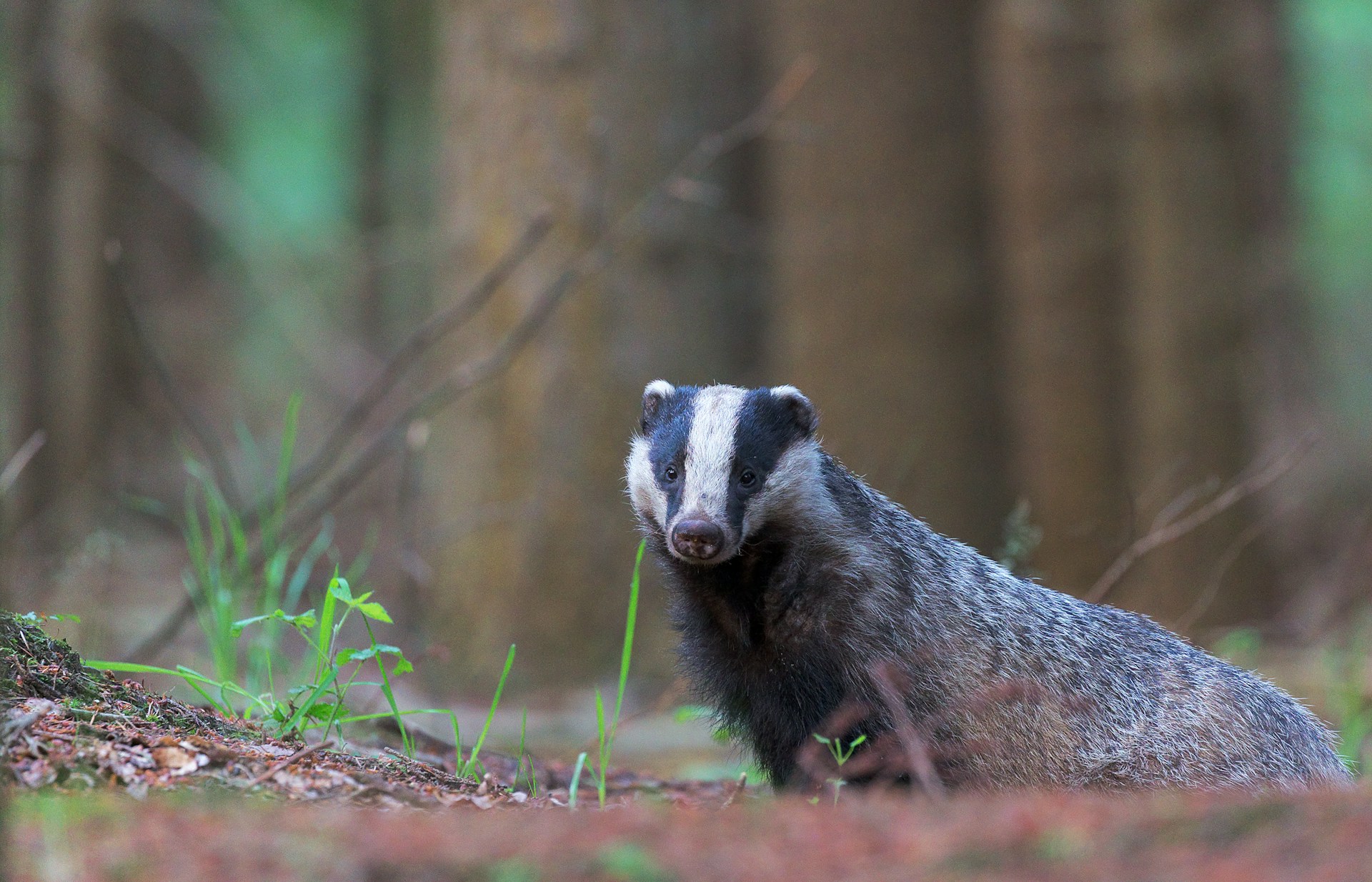
Badgers
Live in setts on sloping ground. Look for well worn paths and snuffle holes.
Grey squirrels
Common but entertaining. Watch for them caching food or chasing each other through branches.
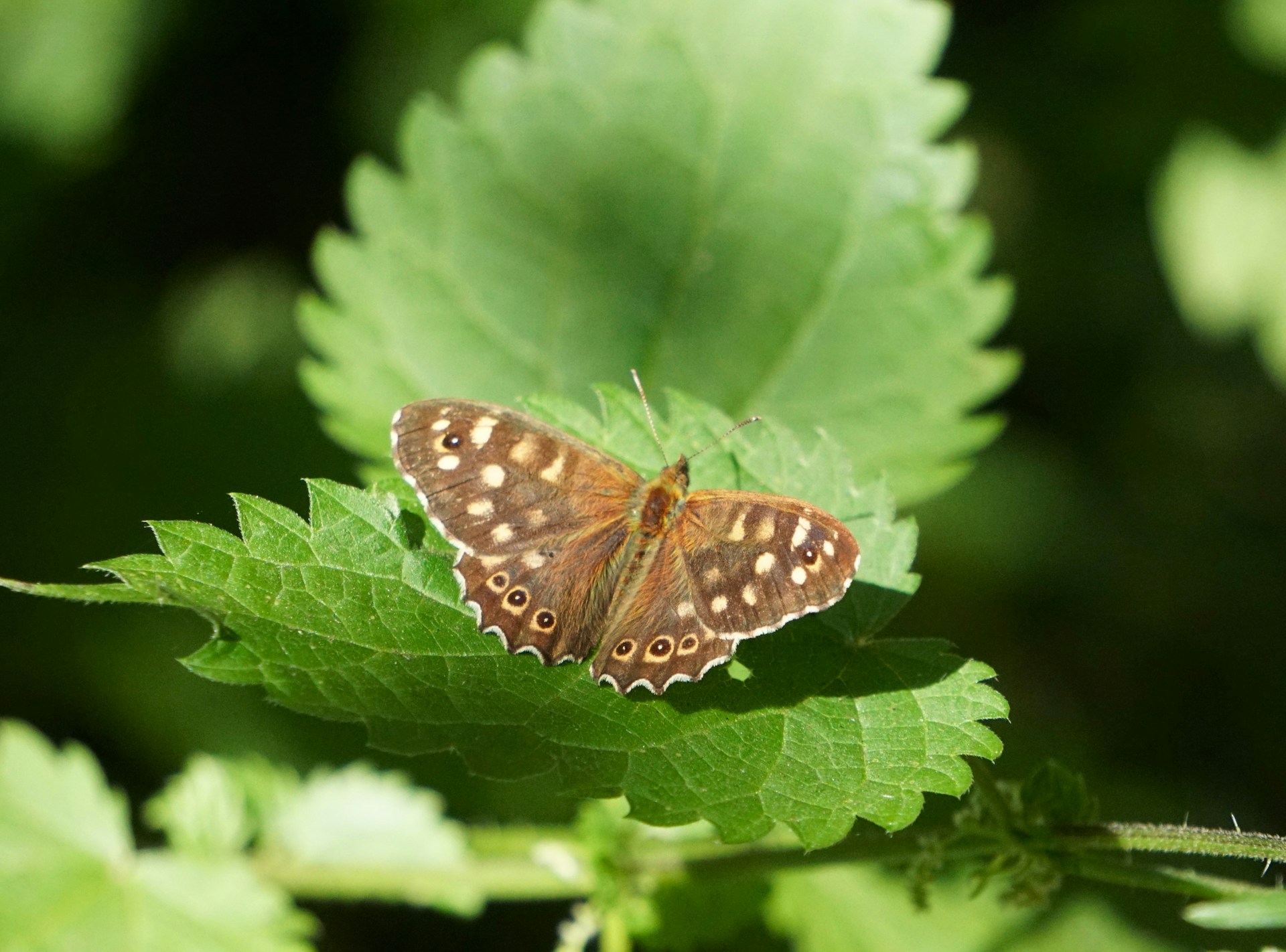
Woodlands are hotspots for insects, especially in sunny glades and along rides.
Speckled wood butterfly
Dances in shafts of sunlight along paths.
Stag beetle
A spectacular species in southern England. Males have large antler like jaws.
Wood ants
Look for their large, dome shaped nests made of pine needles.
Beetles, spiders, and millipedes
Lift a fallen branch, and replace it gently, to glimpse the miniature world beneath.

Woodlands change dramatically through the seasons.
Spring: bluebells, wild garlic, wood anemones
Summer: ferns, brambles, foxgloves
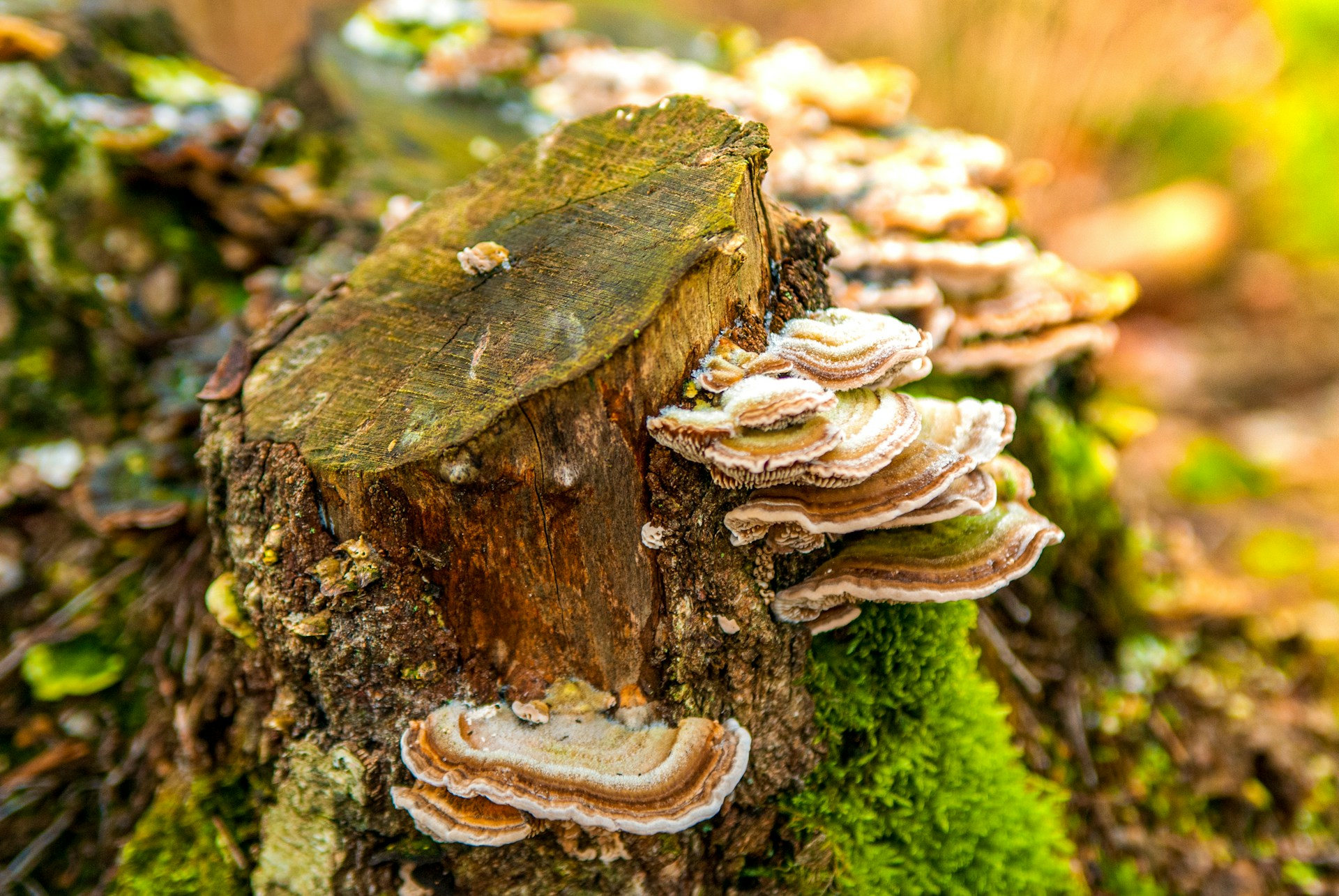
Autumn: fungi of every shape and colour
Winter: mosses, lichens, evergreen ivy
Plants tell you a lot about the woodland’s age and soil. Ancient woods often have carpets of bluebells and wood sorrel.

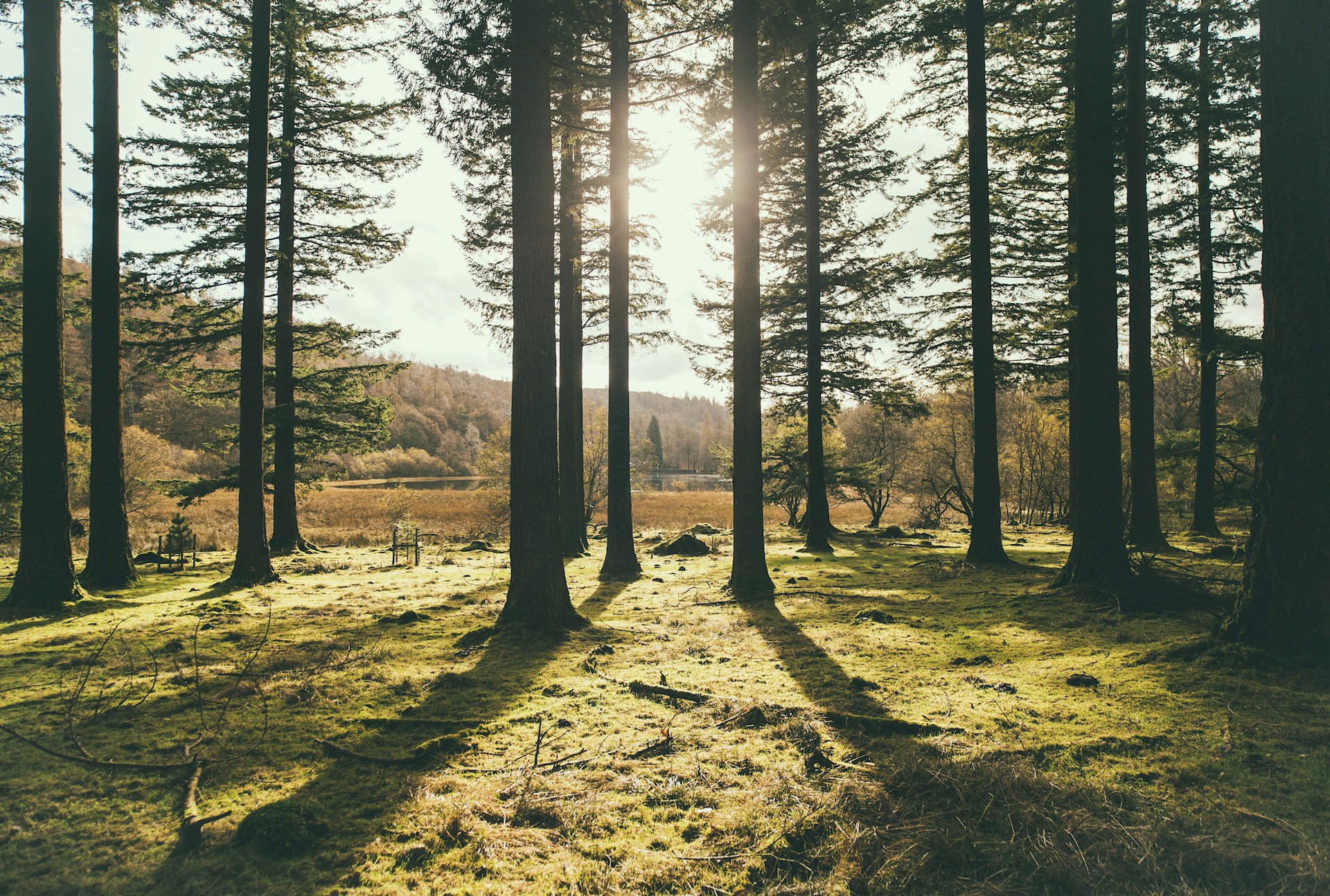
Woodlands are everywhere, even small local woods can be full of life.
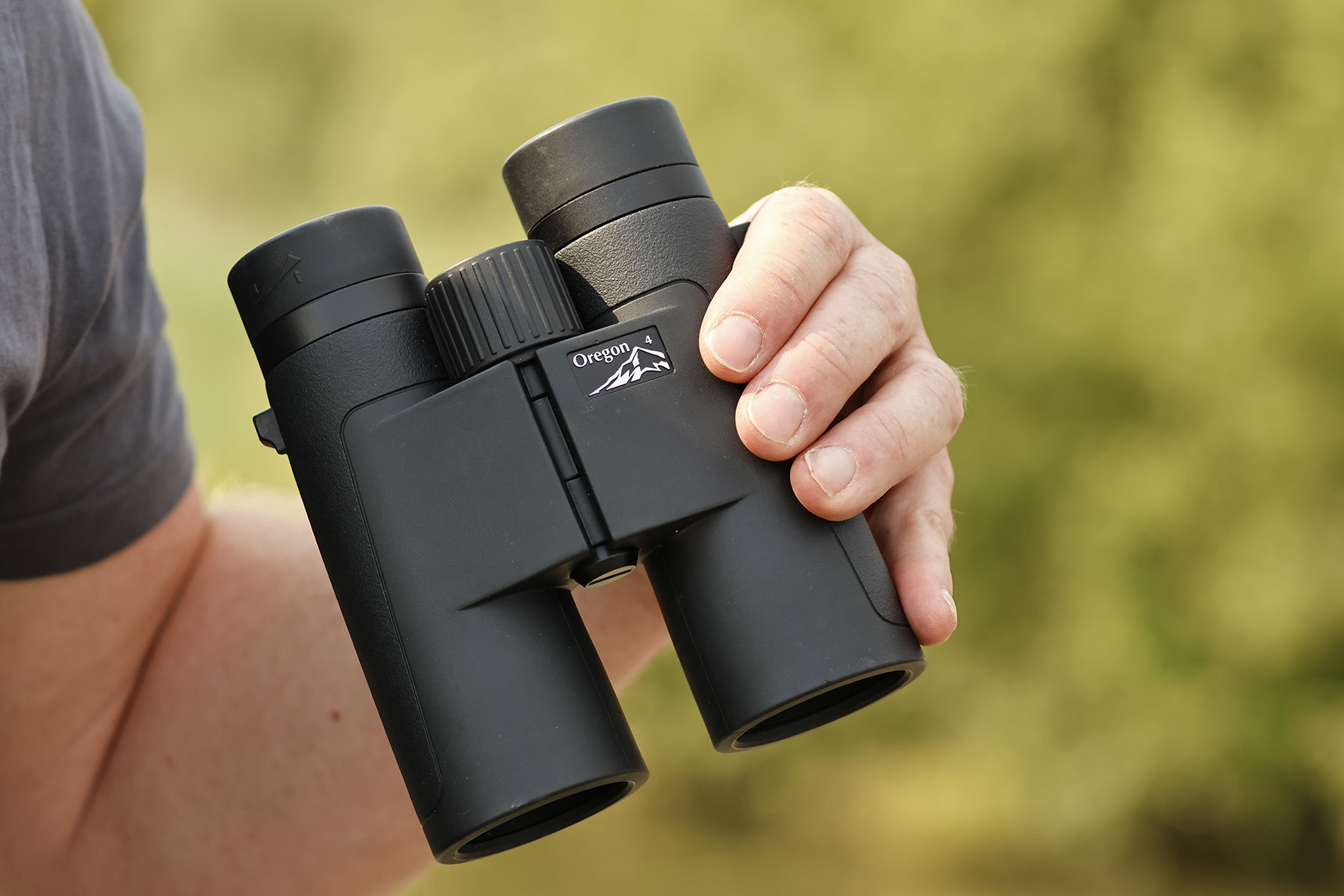
See our Beginner Binoculars Guide for simple advice on choosing your first pair, including what magnification means, how much to spend, and which models are genuinely beginner‑friendly.Field Guides
See our Field Guides Gear Guide for simple advice on choosing beginner friendly wildlife books, including general wildlife guides, bird guides and pocket guides.
These items can also be really helpful for beginners:

Find a quiet spot beneath the trees and note:
“What sounds can I hear now that I couldn’t hear at the start of my walk?”
Woodlands reveal themselves slowly, journaling helps you tune in.
If you’d like to begin a simple nature journal, our How to Start a Wildlife Journal guide walks you through how to start.
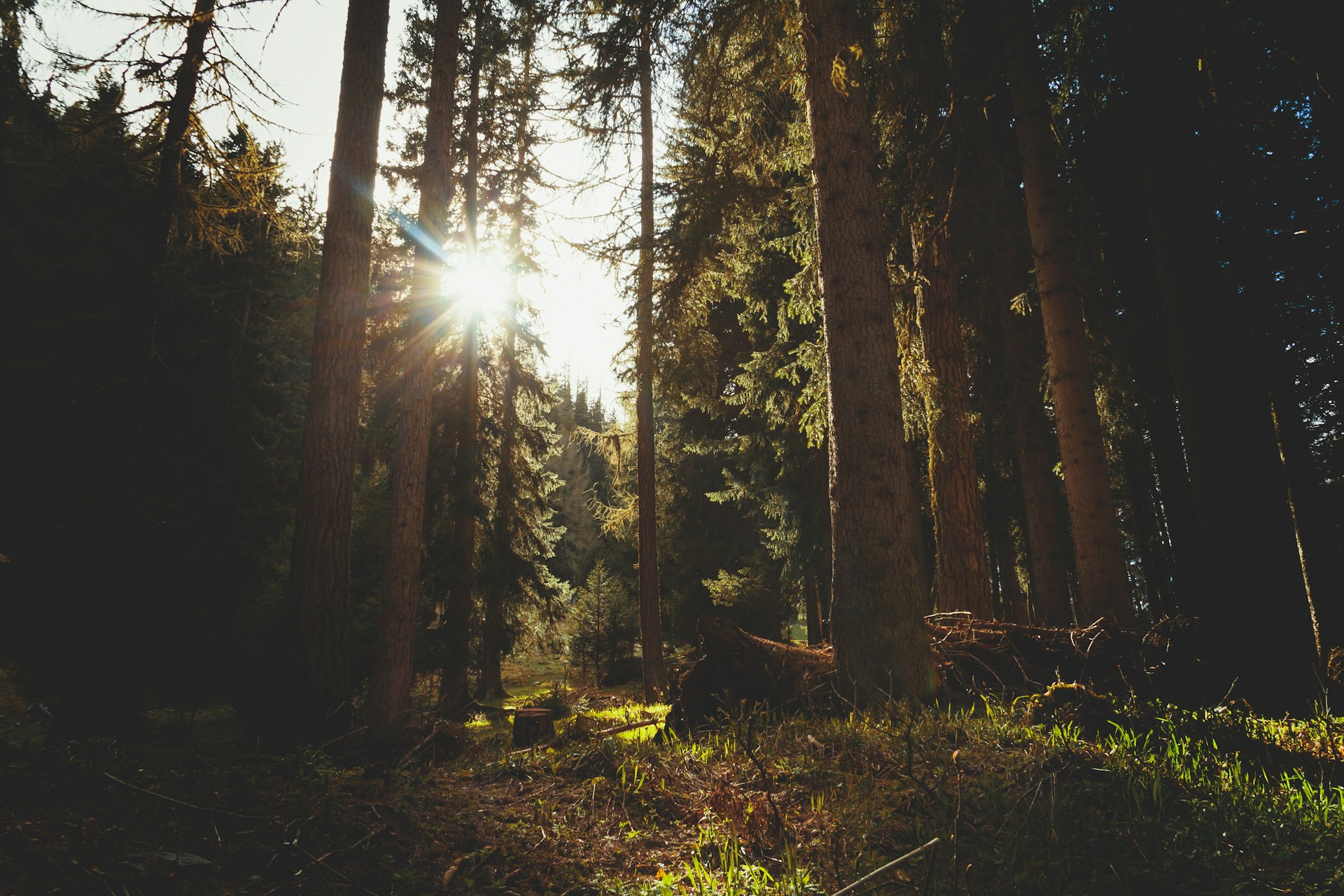
Woodlands are living communities. A few gentle principles help protect them:
This calm, hands off approach is at the heart of NatureGuide.
Woodlands are places of quiet magic. Whether you glimpse a deer slipping between trees, hear a woodpecker drumming, or simply notice the scent of pine needles warming in the sun, every visit offers something new. By slowing down, looking closely, and exploring gently, you will discover just how alive British forests really are.