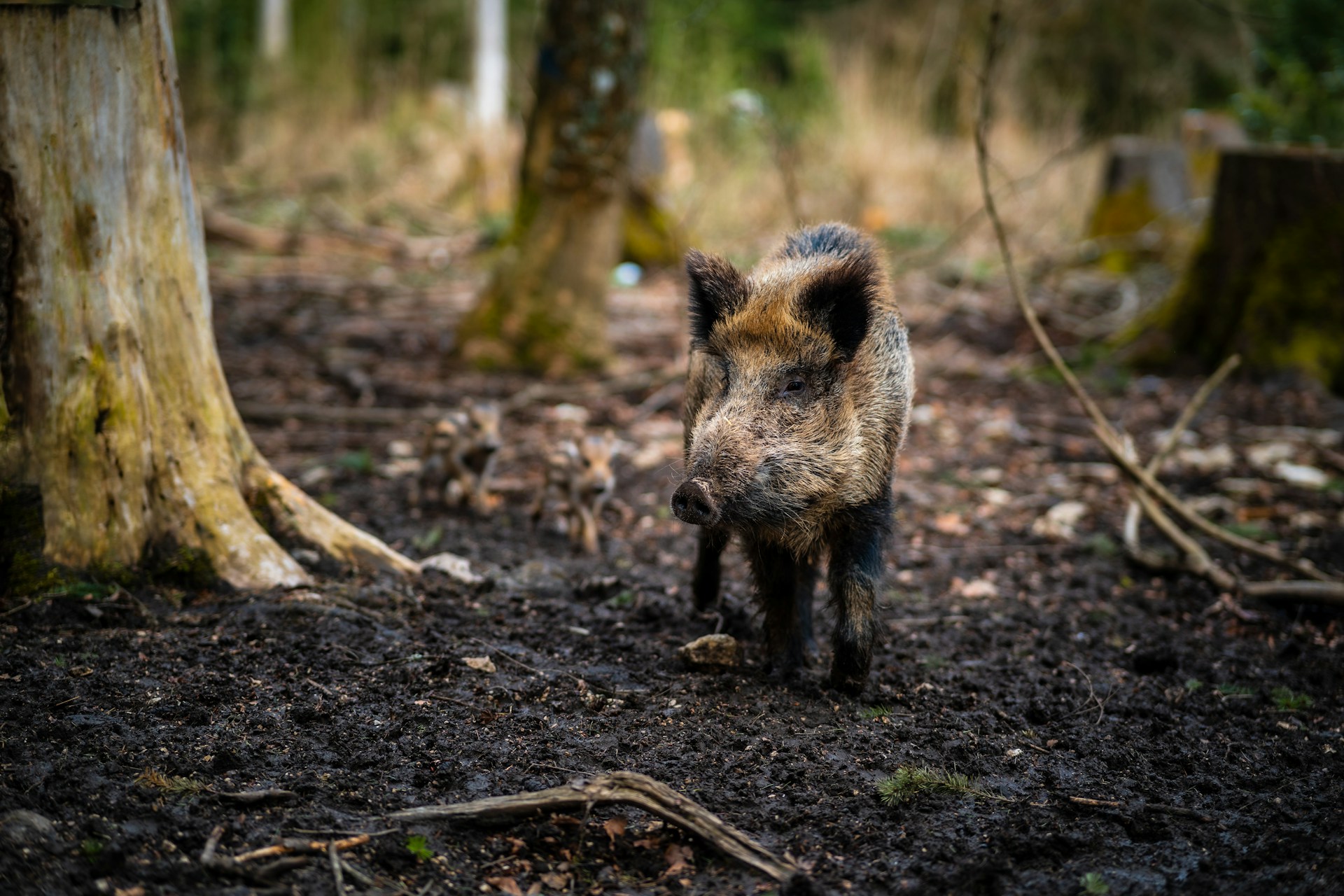
Wild boar are one of the UK’s most secretive large mammals. Powerful, intelligent, and mostly nocturnal, they move quietly through forests and farmland, leaving behind a trail of subtle clues. Most people will never see a wild boar in person and that’s exactly how it should be. But learning to recognise their signs opens up a fascinating window into their hidden world.
You don’t need to track animals or venture off path. With a slow walk, a careful eye, and a little knowledge, you can spot the unmistakable traces boar leave behind as they forage, travel, and wallow. This guide helps you read the landscape safely and respectfully, focusing on signs rather than sightings.
If you enjoy tracking shy mammals, our How to Track Wildlife in Your Local Area guide explains the key prints and signs to look for on woodland paths.
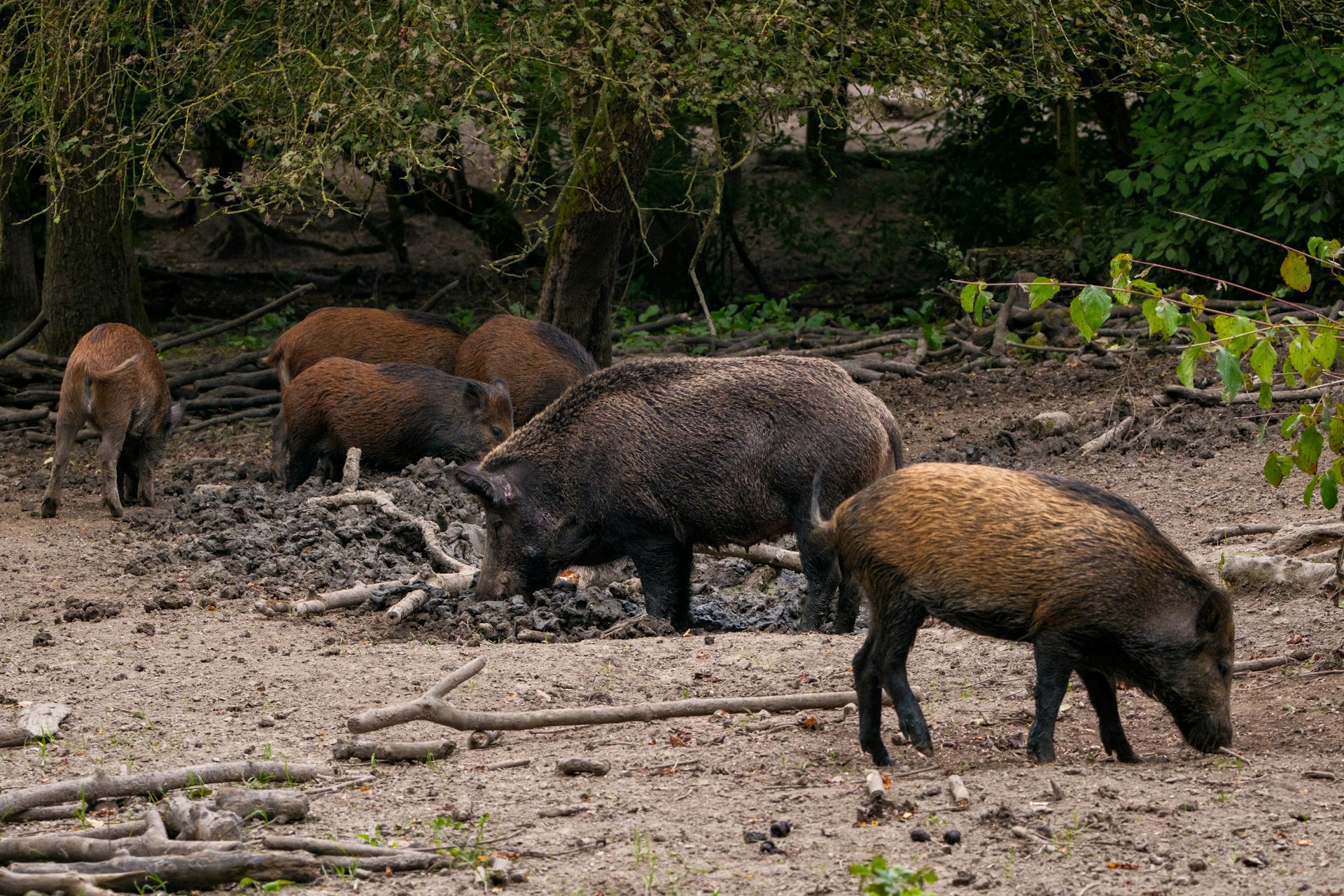
Wild boar populations are scattered but growing. They prefer quiet, wooded landscapes with plenty of cover.
Key areas include:
Boar favour:
Even in strongholds, boar are rarely seen but their signs are unmistakable.
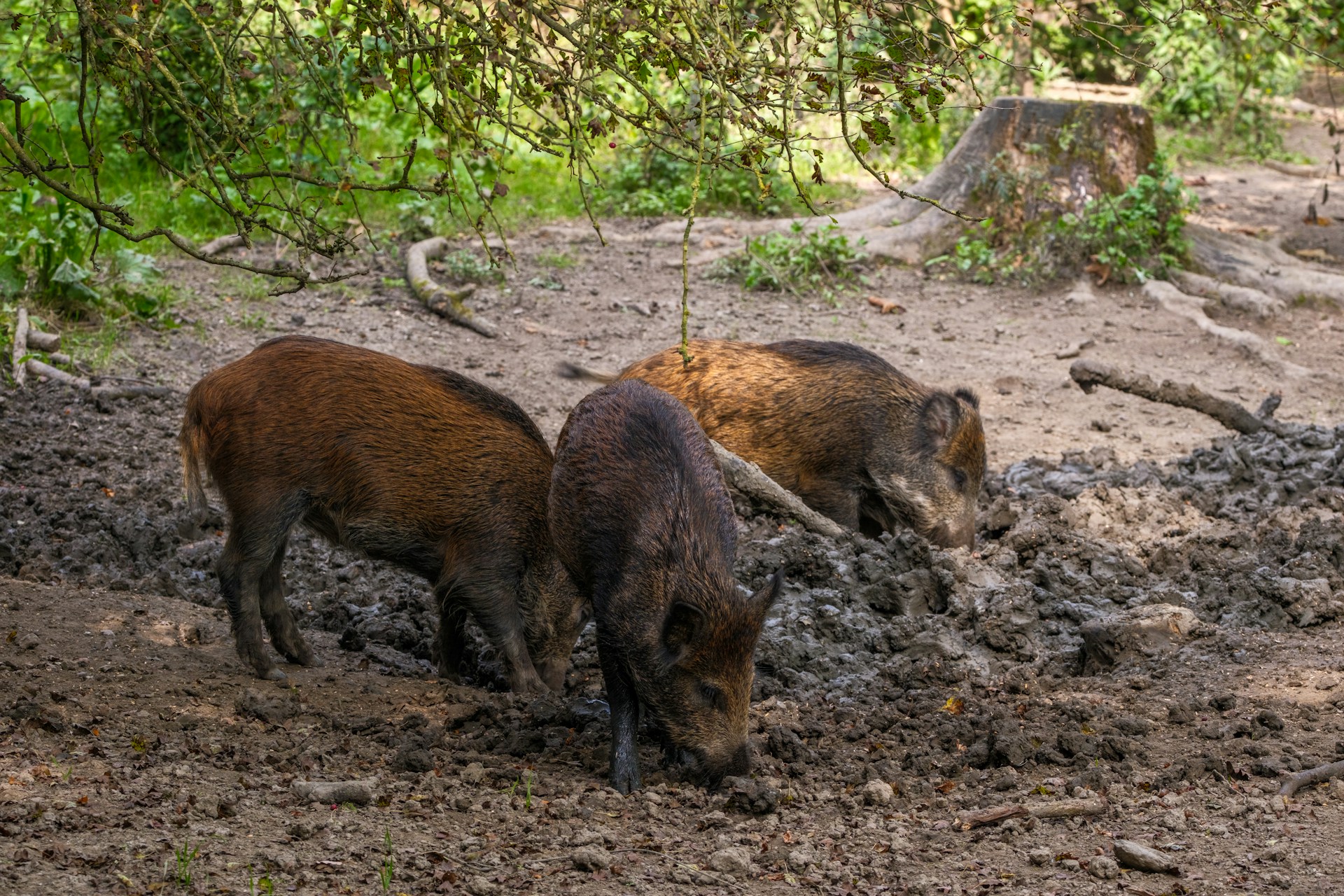
1. Rooting (the easiest sign to spot)
Boar use their powerful snouts to dig for food, leaving patches of disturbed ground.
Look for:
Rooting can appear overnight and often covers large areas.
2. Tracks (hoofprints)
Boar tracks look similar to deer, but there are differences.
Boar tracks:
Look for tracks in:
3. Wallowing sites
Boar love mud, it cools them down and removes parasites.
Signs include:
These areas often have a strong, earthy smell.
4. Tusk marks on trees
Male boar (boars) sharpen their tusks on tree trunks.
Look for:
These marks are usually found near wallows or along regular routes.
5. Droppings (scat)
Boar droppings vary depending on diet.
Typical features:
6. Hair caught on fences or brambles
Boar hair is:
For a broader understanding of how animals behave in changing conditions, our How Weather Shapes Wildlife Behaviour guide offers helpful beginner insights.

Boar are shy but powerful animals. The goal is never to encounter them, only their signs.
Reading signs is safer, more respectful, and far more rewarding.
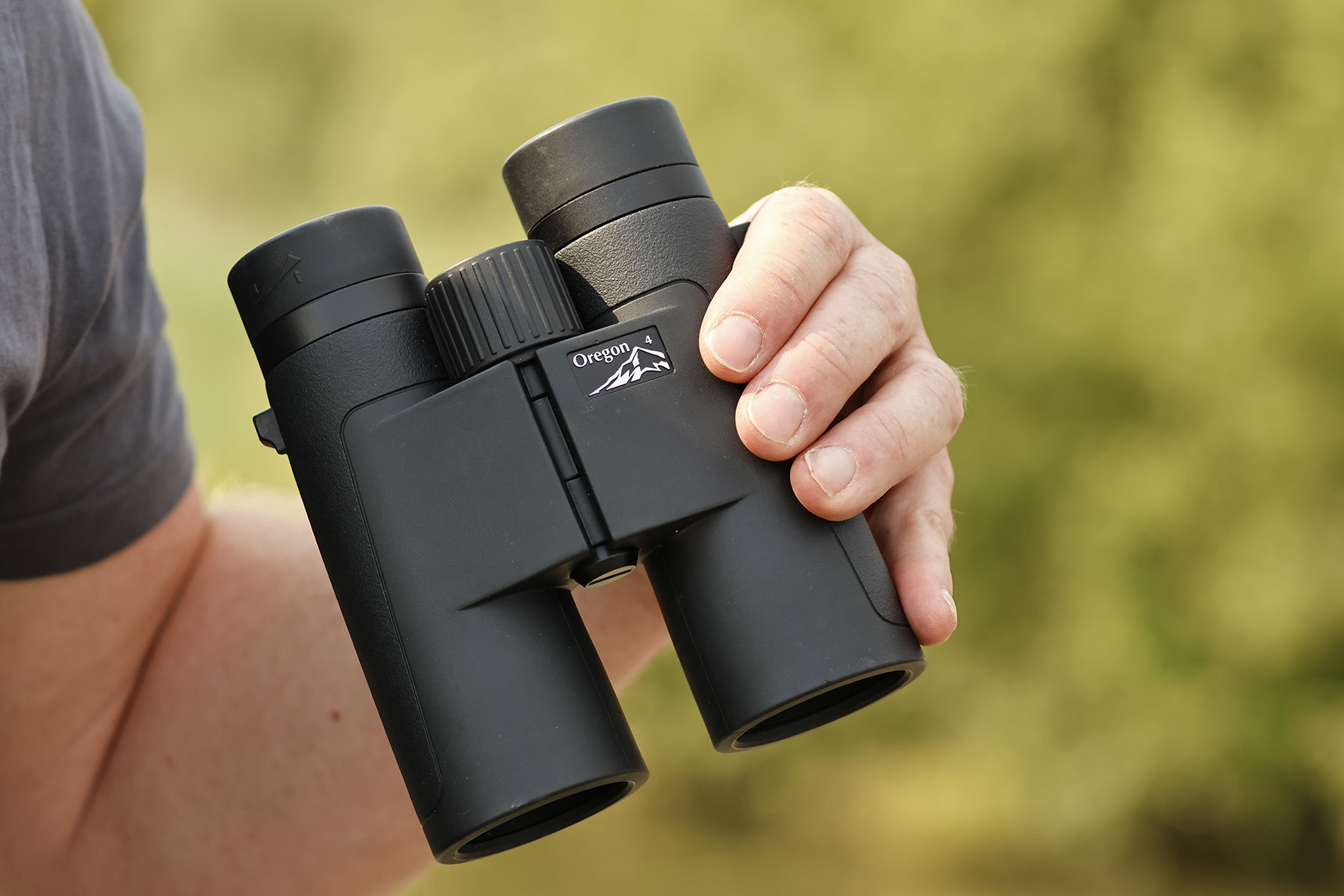
See our Beginner Binoculars Guide for simple advice on choosing your first pair, including what magnification means, how much to spend, and which models are genuinely beginner‑friendly.
See our Field Guides Gear Guide for simple advice on choosing beginner friendly wildlife books, including general wildlife guides, bird guides and pocket guides.
These items can also be really helpful for beginners:

Find a quiet spot in the woods, pause for a moment, and note:
“What clues tell me that animals have passed through here — even if I can’t see them?”
It might be disturbed soil, tracks, rubbed bark, or simply the feeling of a well used animal path. Journaling helps you tune into the subtleties of the landscape.
If you’d like to start a simple nature journal, our beginner’s guide walks you through how to begin: How to Start a Wildlife Journal.
Finding signs of wild boar is like reading a hidden story written across the forest floor. Rooted turf, polished tree trunks, muddy wallows, each clue reveals a little more about an animal most people never see. By slowing down, paying attention, and exploring gently, you can experience the presence of wild boar without ever disturbing them. It’s one of the most rewarding ways to connect with the UK’s wilder side.