
Wildlife photography is a rewarding way to build on your time outdoors and capture the birds and animals you enjoy watching. You do not need a large or complicated setup to begin, and there are many camera options to suit different budgets. A good camera can last for many years, so it is worth investing in one if you can. A simple model with good autofocus and a reliable zoom can help you take clear photographs without feeling overwhelmed. This guide explains what beginners really need and how to choose a camera that makes wildlife photography enjoyable from the very first outing.
Wildlife photography is a natural progression for anyone who enjoys watching birds and animals and wants to capture those moments more clearly. It encourages you to slow down, observe more closely and spend more time outdoors. Many beginners find that taking photographs helps them notice details they would otherwise miss, and it adds a new sense of purpose to walks and nature trips. You do not need a large or complicated setup to begin. A simple camera can help you record the wildlife you enjoy without making the experience feel technical or overwhelming.
Beginners only need a few core features to start taking clear wildlife photographs. A camera with reliable autofocus, a zoom lens that can reach distant subjects and a body that feels comfortable to hold outdoors is enough for most new photographers. You do not need a heavy professional lens, a large tripod or a complex multi camera setup. Many accessories are optional and can be added later if you decide to take the hobby further. Starting simple keeps the learning curve gentle and lets you focus on enjoying the experience.
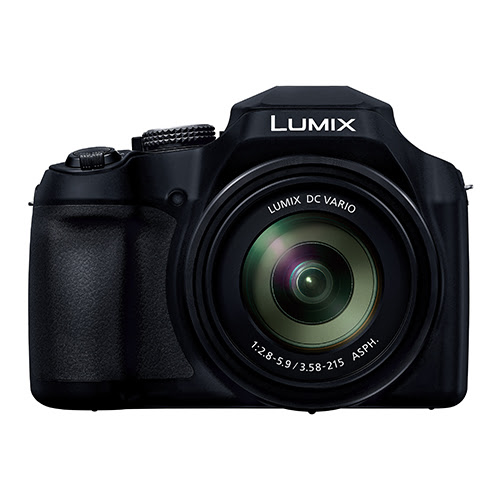
A basic entry level camera is ideal for anyone who wants to try wildlife photography without a large investment. These models are lightweight, easy to use and often come with a simple zoom lens that covers most outdoor situations. They are perfect for learning how to frame a subject, follow movement and understand how light affects your images. A budget friendly camera is a comfortable way to explore the hobby and decide whether you want to progress to more advanced equipment later.
For readers who want a more capable setup from the start, a beginner mirrorless camera offers faster autofocus, better image quality and improved performance for birds and mammals in motion. The Canon EOS R10 kit from Pro Camera is a popular choice because it is compact, straightforward to use and designed to help beginners capture clear outdoor images without needing a large or complicated setup. While it is more expensive than basic models, it provides a strong foundation for anyone who wants to take wildlife photography seriously from the beginning.
A few small accessories can make wildlife photography more enjoyable. A spare battery ensures you do not run out of power during a long walk. A memory card with enough storage lets you take plenty of photographs without worrying about space. A comfortable camera strap helps when you are outdoors for extended periods. A simple cleaning cloth is useful for keeping the lens clear of dust and moisture. None of these items are essential at first, but they can make your time outside smoother and more relaxed.
You can find beginner friendly cameras and accessories at several trusted UK retailers. Pro Camera offers dedicated wildlife photography kits that are easy to use outdoors. Amazon UK carries a wide range of entry level cameras and accessories at different price points. Jessops, Wex Photo Video and CameraWorld also stock beginner models and provide clear product information that helps new photographers compare options. Choosing a retailer with good customer support and clear product descriptions makes the buying process much easier.
If you are still exploring wildlife watching and want to build confidence before investing in a camera, our beginner binoculars guide explains how to choose a simple pair that helps you see birds and animals more clearly. Once you are outdoors more often, our field guide recommendations can help you identify the species you photograph. Both guides support your early steps in wildlife photography and make your time outside more enjoyable.
No. Many beginners start with a simple entry level camera that has a reliable zoom and good autofocus. You can take enjoyable outdoor photographs without investing in professional equipment.
A mirrorless camera offers faster autofocus and better image quality, which helps when photographing birds and mammals that move quickly. A compact camera is still a good starting point if you want to keep things simple and affordable.
A lens that reaches distant subjects is helpful, but you do not need a very long or heavy lens. A standard zoom that covers everyday outdoor distances is enough for most beginners.
Yes. Beginner friendly cameras are designed to handle a wide range of situations. You can use the same camera for landscapes, family events and wildlife without changing your setup.
Not at first. Many beginners prefer to hand hold their camera because it is easier when following moving subjects. A small tripod can be useful later for steady shots or low light conditions, but it is not essential.
It does not have to be. Starting with a simple camera and focusing on clear subjects makes the learning curve gentle. As you gain confidence, you can explore more advanced settings at your own pace.
Only a few small items are helpful at the beginning, such as a spare battery and a memory card. Other accessories can be added later once you know what you enjoy photographing.