Rockpools are some of the most fascinating places to explore on the UK coast. When the tide goes out, small pools of seawater are left behind, each one holding a tiny world of colourful creatures. You do not need specialist knowledge to enjoy rockpooling. Once you know where to look and what features to notice, these small habitats become full of life.
This guide introduces the species you are most likely to find in summer, how to explore rockpools gently, and where to visit along the UK shoreline.
If you enjoy exploring coastal wildlife, our Beginner’s Guide to Wildlife Watching at the Beach introduces other species you can find along sandy and rocky shores.
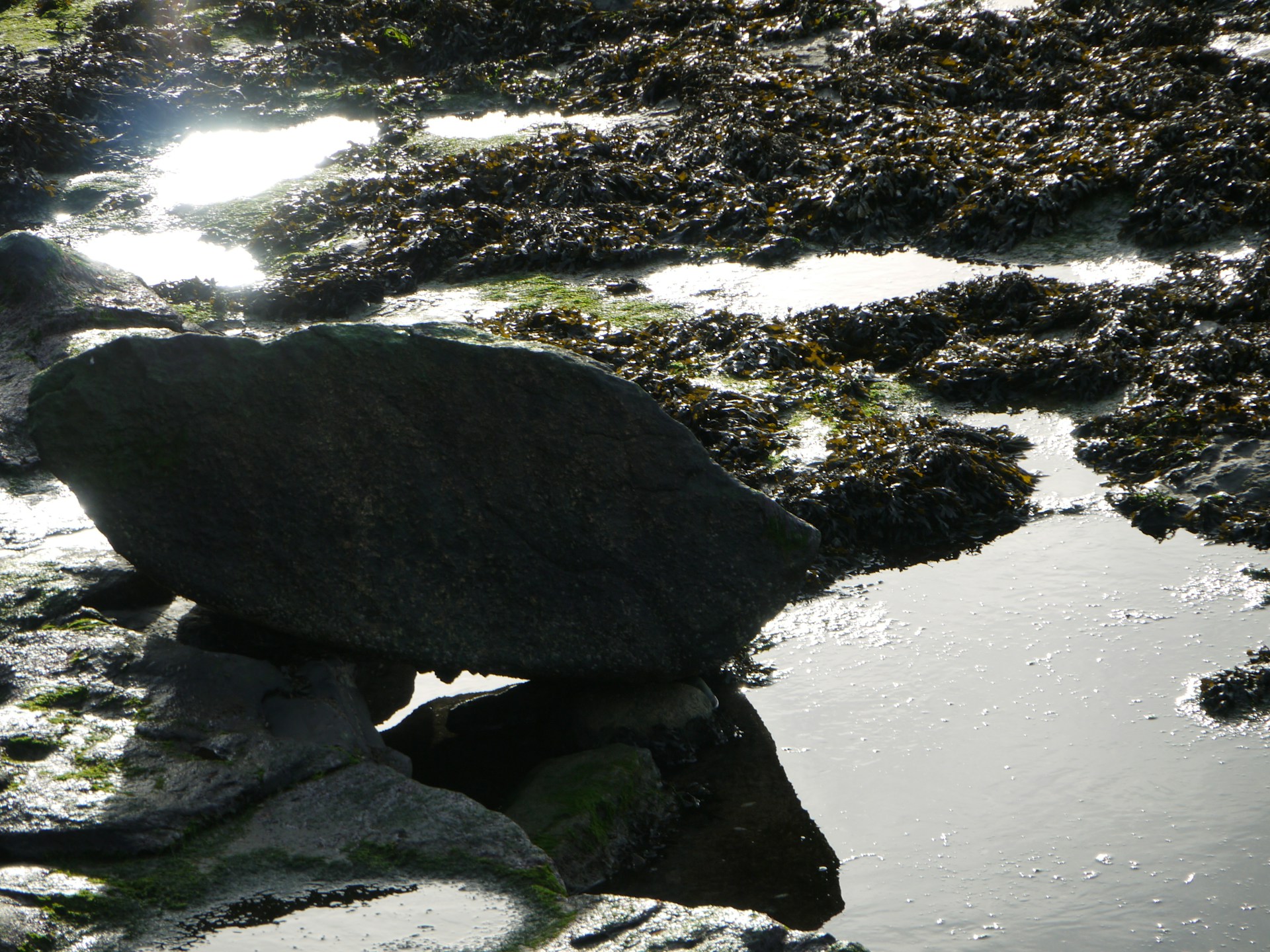
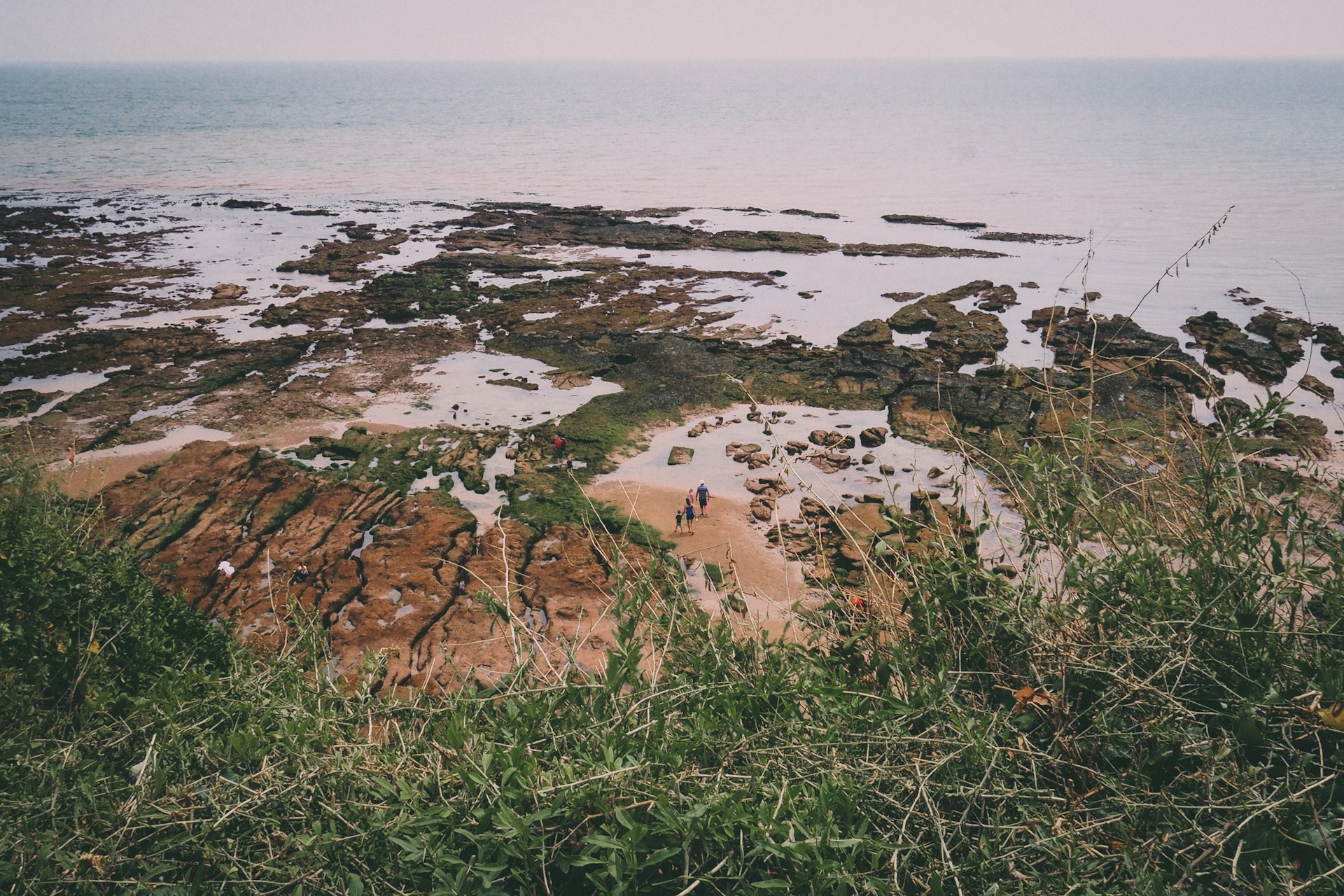
Rockpools form when the tide retreats, leaving seawater trapped in hollows and cracks. These pools become temporary homes for small fish, crabs, anemones, shellfish, and many other creatures. Summer is the best time to explore them. Warm weather, calm seas, and low tides reveal more pools and make wildlife easier to spot.
Today:
Their presence shows how rich and varied our coastal ecosystems can be.
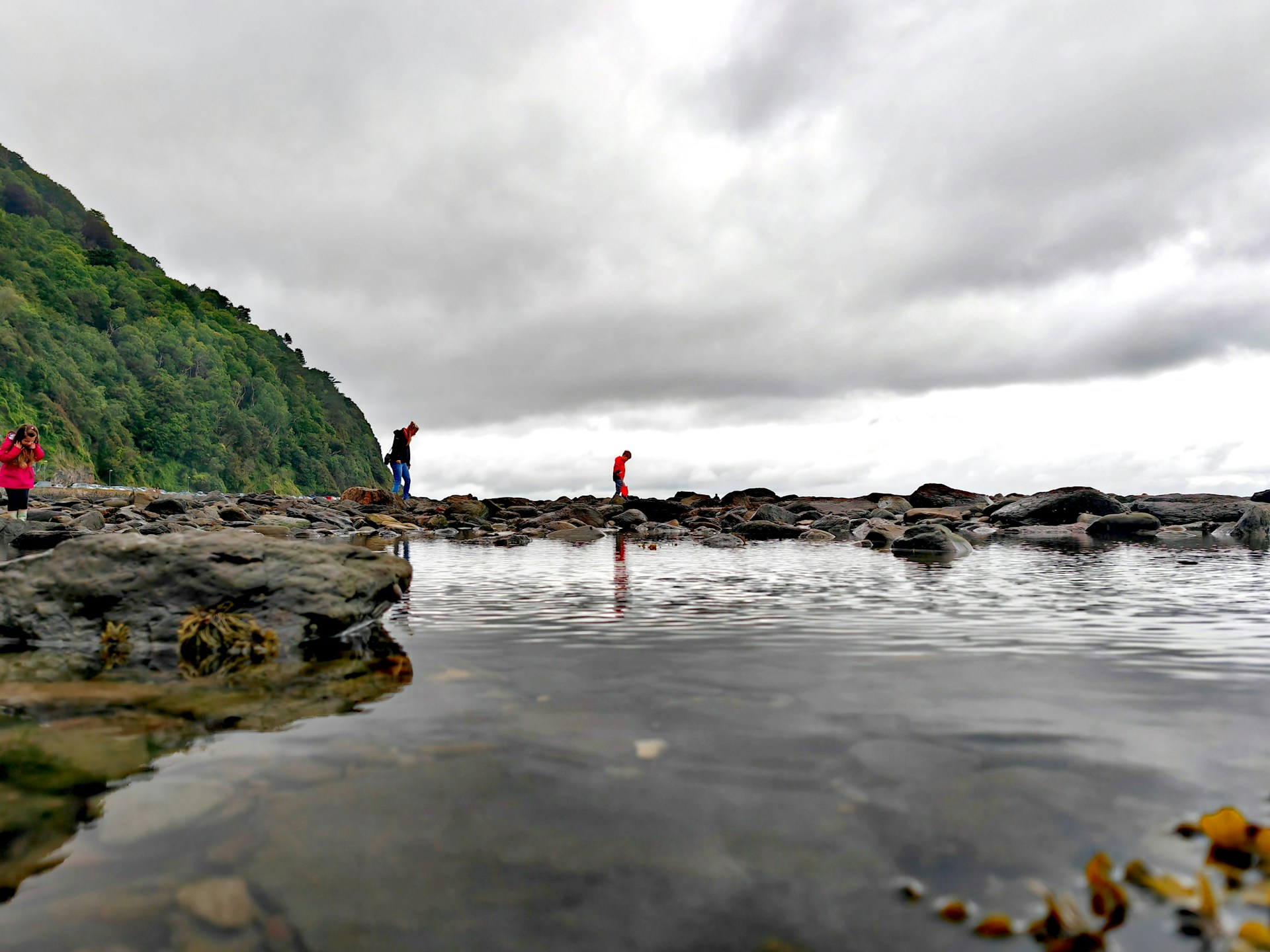
Many creatures hide under stones or cling to the sides of pools. Slow movements help you notice details.
Small fish often dart just below the surface. Crabs may move between shadows.
Lift stones gently and always place them back exactly as you found them. This protects the creatures that shelter underneath.
Rockpools hold bright reds, greens, and blues from seaweeds and anemones.
Low tide gives you the best chance to explore safely.
Once you have explored a few pools, the patterns become familiar.
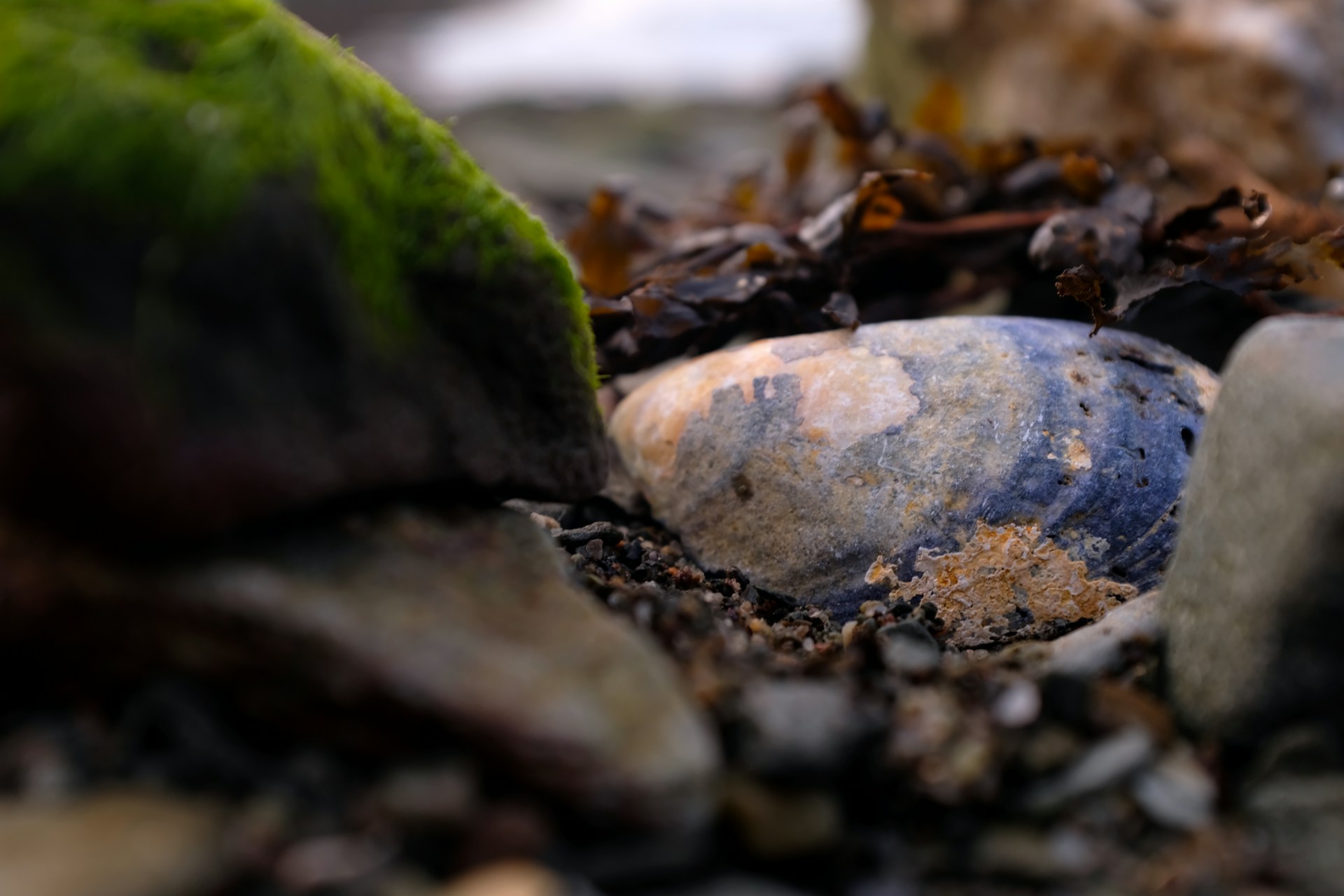
A small crab often found under stones. Green or brown in colour.
A bright red anemone that closes into a smooth blob when disturbed.
A cone shaped shell that clings tightly to rocks.
A small fish that hides in crevices. Often curious and may watch you from the shadows.
Some pools hold small starfish resting on rocks or sand.
These species are widespread and ideal for beginners.
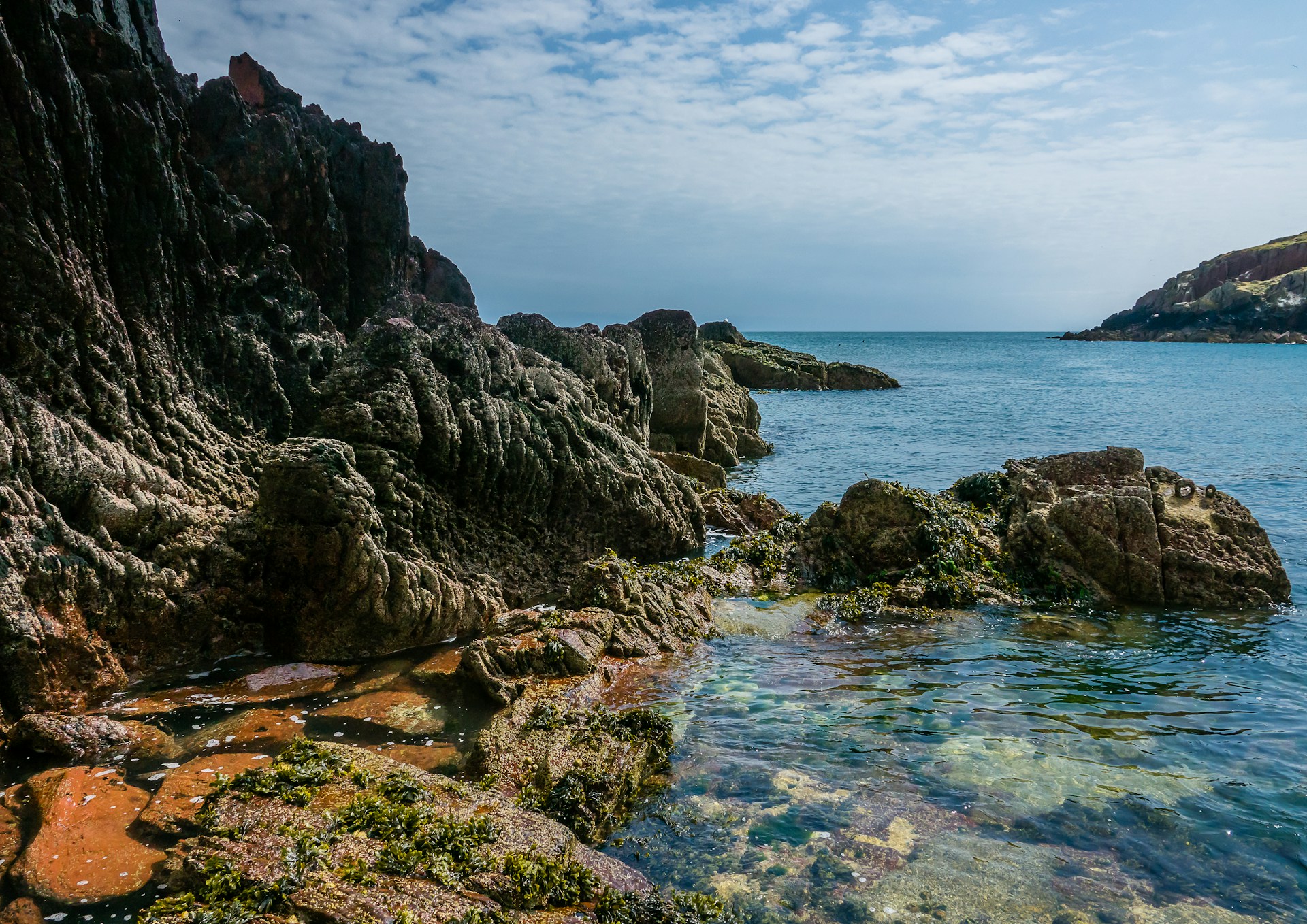
Cornwall and Devon have excellent rockpooling beaches.
The Gower and Pembrokeshire coasts offer rich pools with many species.
Rocky shores along the west coast and islands hold colourful marine life.
The Causeway Coast has varied pools with crabs, fish, and anemones.
Northumberland’s rocky beaches are excellent for beginners.
If you enjoy exploring coastal habitats, our Coastal Birds guide introduces the species you are likely to see flying above the shore.
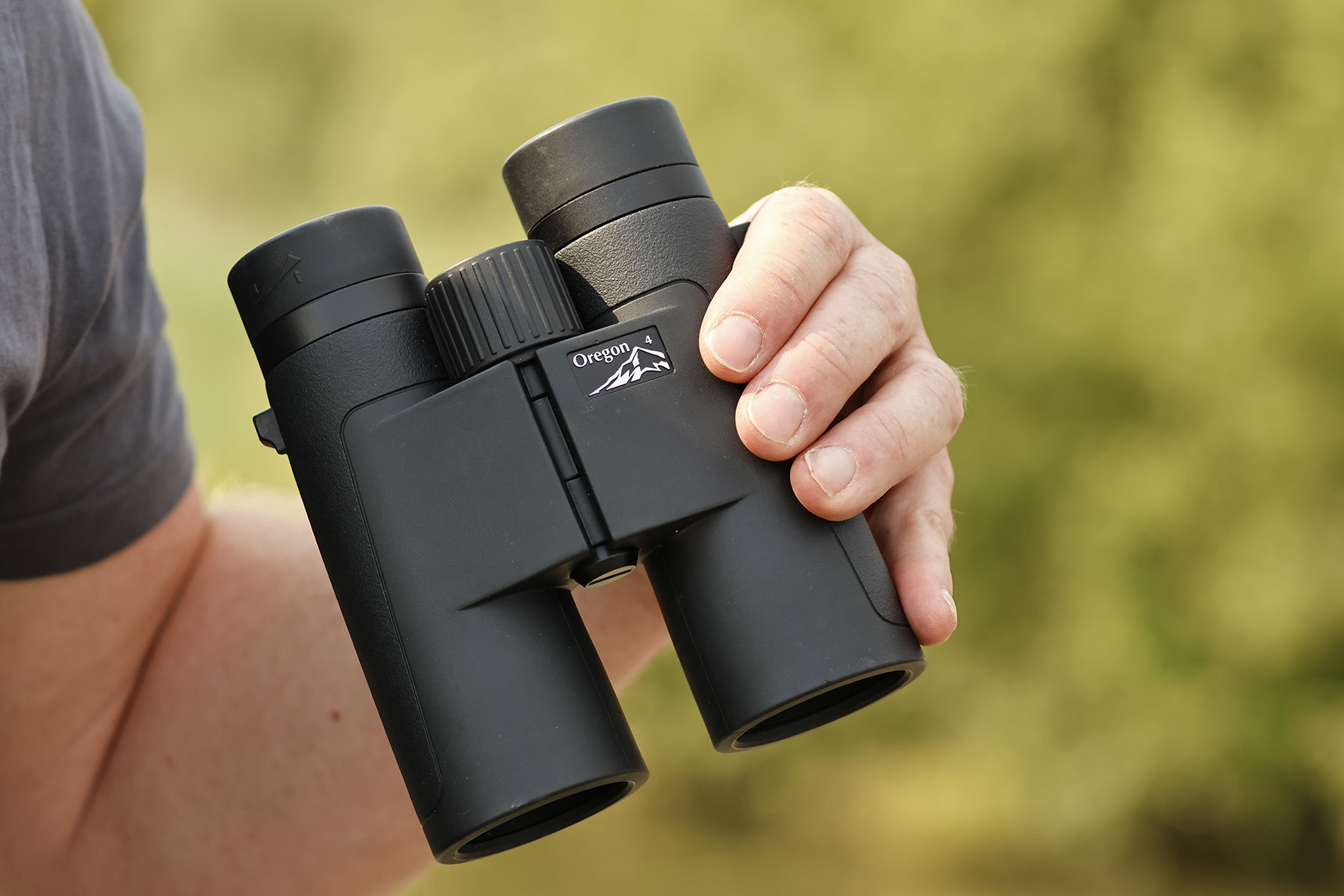
See our Beginner Binoculars Guide for simple advice on choosing your first pair, including what magnification means, how much to spend, and which models are genuinely beginner‑friendly.
See our Field Guides Gear Guide for simple advice on choosing beginner friendly wildlife books, including general wildlife guides, bird guides and pocket guides.
These simple items make dragonfly watching easier:

Find a quiet spot near the pools, pause for a moment, and note:
“What colours and shapes stand out most in the creatures and seaweeds I can see today?”
Rockpools hold a wide range of patterns and textures. Journaling helps you notice the details.
If you would like to begin a simple nature journal, our beginner’s guide walks you through how to start: How to Start a Wildlife Journal.

Rockpools are delicate habitats. A few gentle principles help protect the creatures that live there:
This calm, hands off approach is at the heart of NatureGuide.
Exploring rockpools is one of the simplest ways to enjoy summer wildlife on the UK coast. Their colours, movements, and hidden details bring a sense of curiosity and calm to any seaside walk. By learning their shapes, noticing their behaviour, and exploring gently, you are connecting with one of the most fascinating and accessible parts of our coastal ecosystems.